10 IMPORTANT THINGS TO CHECK BEFORE YOU HEAD OUT TO SEA

Ah, the sea. That mysterious expanse of water stretching as far as the eye can see has called to sailors and adventurers since the beginning of civilisation. As with any bold exploration, going to sea calls for preparation and close attention to detail. To help make sure your voyage runs smoothly and safely, we have put together the important things to check before setting off on your next adventure at sea. Read our advice on the safety of the vessel, on the weather, on preparing supplies and much else besides, so that everything is in order when you cast off.

This article sets out the 10 things to check before you head out to sea.

1. Communication equipment

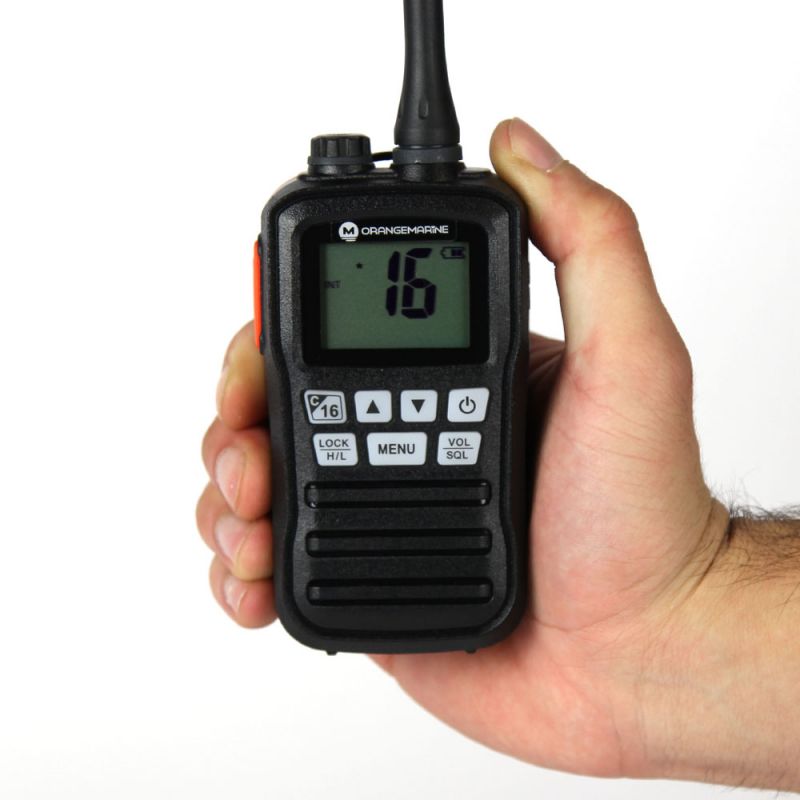
Before heading out, it is crucial to check your boat's communication equipment. Make sure your VHF radio is in good working order for sending and receiving calls in an emergency. To test it, you can contact a shore station on channel 16 for a radio check. If you get a clear reply, you can set off confident that you will be able to talk to other vessels and to the maritime authorities if you need to. Always keep your communication equipment in good order for safe, untroubled sailing. Difficult situations do arise — technical problems, unforeseen weather — and in those cases a charged mobile phone can prove very useful for calling for help. It is also worth drawing up a list of useful numbers and keeping it on the boat, so it is easy to reach in an emergency. Taking the time to check all this before you leave means you can go to sea with complete peace of mind.

2. The engine (or engines)

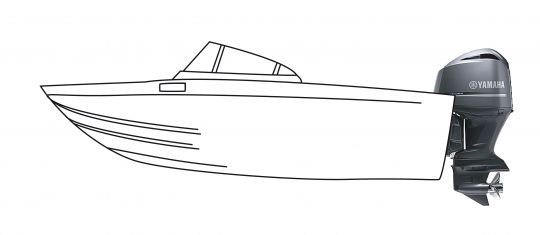
Before setting off, it is essential to check the engine levels: fuel, oil and coolant in particular. This is a crucial step in guaranteeing that the engine will work properly, even on a sailing boat where it counts as auxiliary propulsion. The engine has to start first time if you are to sail safely. A careful check of the levels can also help identify any potential problem that might affect the engine while you are under way. Taking the time to check these things before you leave can make all the difference between a successful outing and a frustrating one.

3. Navigation lights

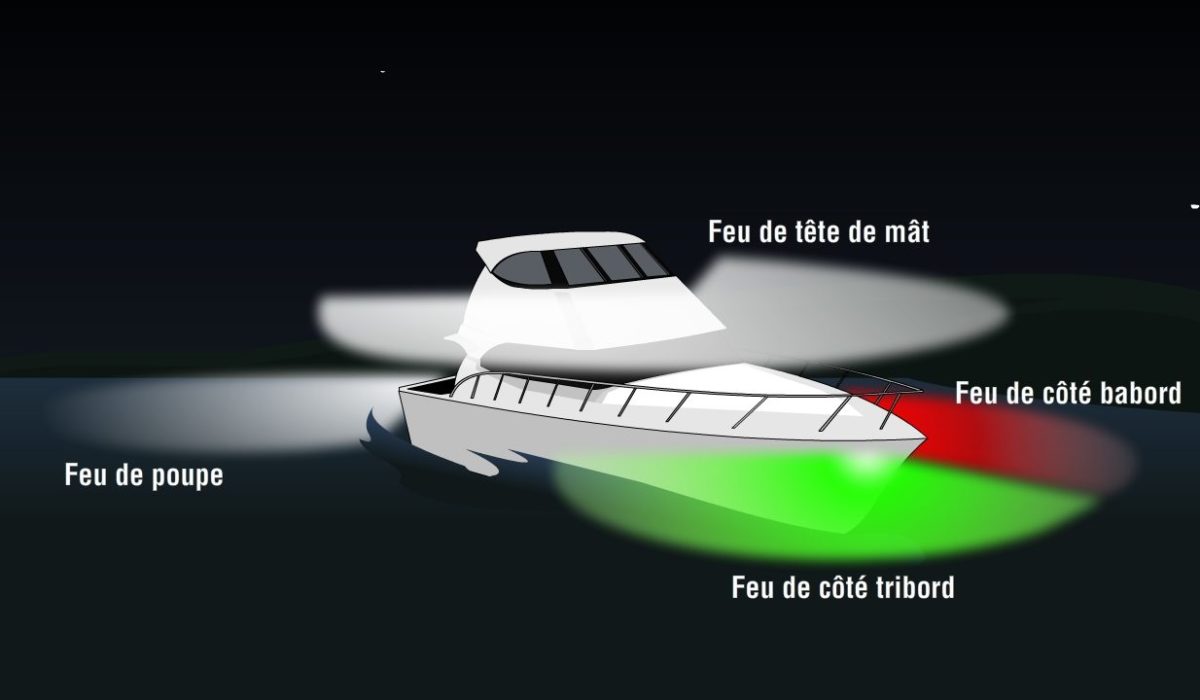
Sailing at night may not be part of your plans, but that does not mean you can neglect your boat's navigation lights. Even on daytime outings, this equipment has to stay operational in case of emergency or reduced visibility. It is not unusual for these fittings to corrode or stop working when they are not used regularly. It is therefore important to check their condition regularly and to maintain them, so as to avoid any risk at sea.

4. Lifejackets

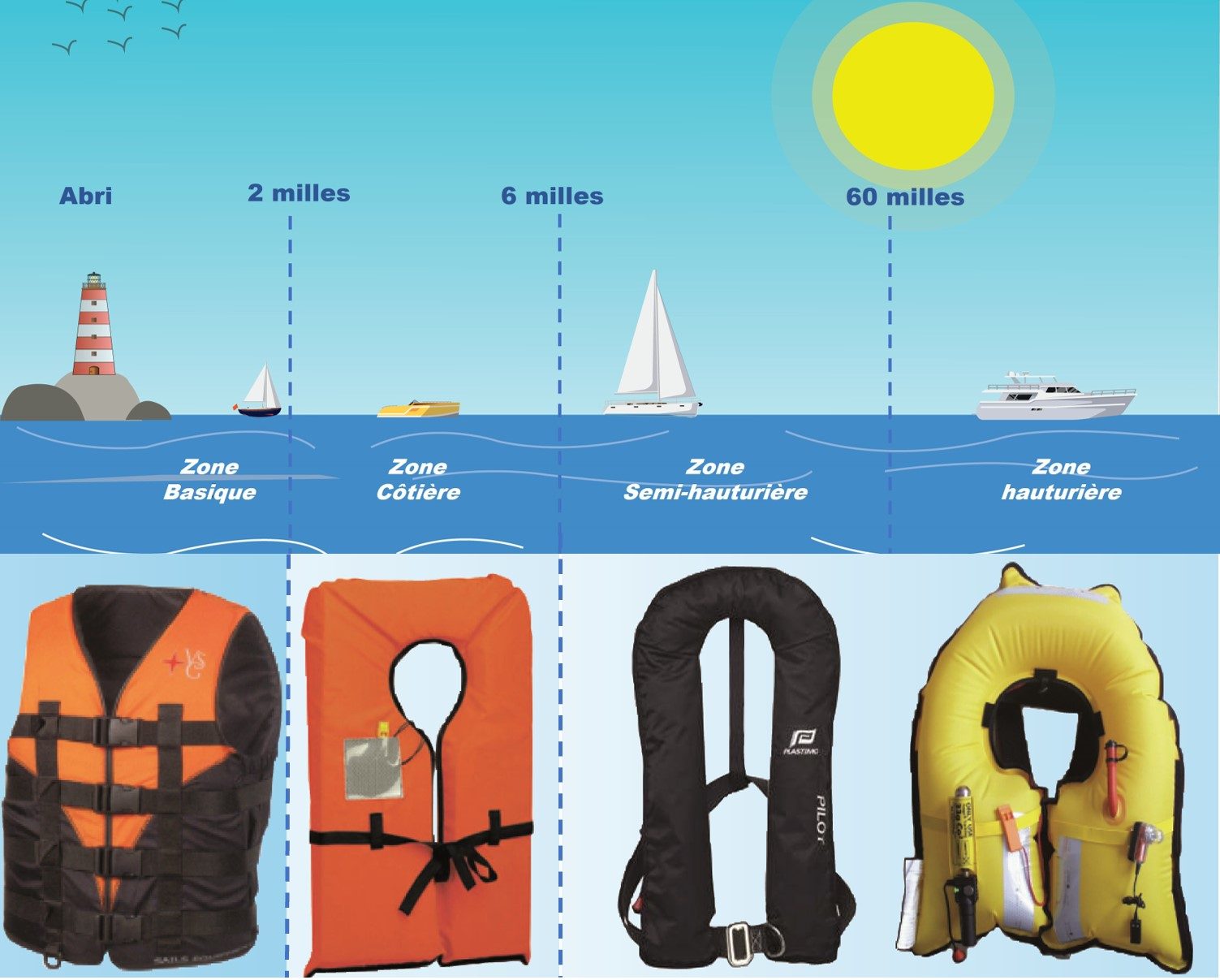
Travelling at sea can be a remarkable experience, but it is essential to be ready for anything. In terms of safety, the regulations require every person on board to have a lifejacket suited to their build. It is therefore important to make sure that every passenger is wearing one at all times. That rule also means thinking about the youngest passengers on board. If you have inflatable lifejackets, check that every part — the cartridges and the tablets — is working properly, so as to guarantee maximum safety for everyone on board.

5. Safety equipment

When you go to sea, it is essential to look after the safety of everyone on board. That means being fitted out with various pieces of equipment: lifebuoys with working self-righting lights, flares that are accessible and in date, and searchlights with batteries in good working order. This safety equipment can be an invaluable help in poor weather or in any other unforeseen incident. It is essential to check regularly that it all works, so as to avoid any risk of accident at sea. So do remember to check your equipment before every outing, and sail safely.

6. Fire extinguishers

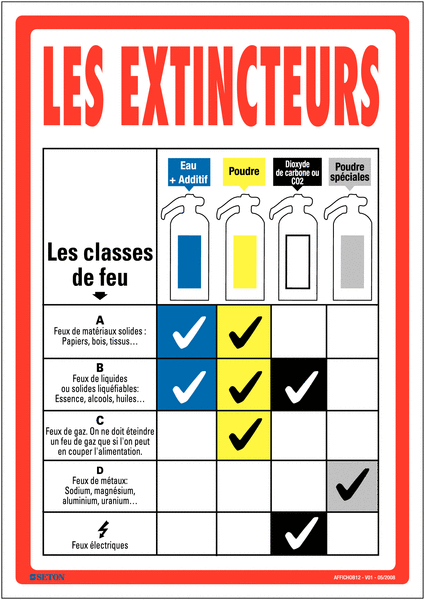
Safety should be the number one priority in every environment, particularly in areas at risk of fire such as engine compartments and galleys. For that reason it is imperative that safety equipment such as fire extinguishers is in place and checked regularly. To make sure you can react quickly in an emergency, take the time to understand how extinguishers work and make sure you know where the nearest one to your working area is. Prevention and preparation are essential to guaranteeing the best possible safety in the workplace.

7. The anchor

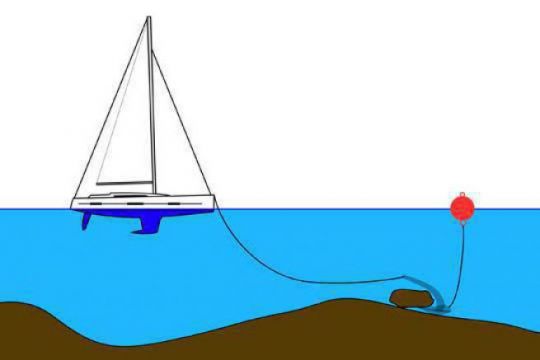
The anchor is a crucial piece of safety equipment on any boat. Knowing how to set it properly can make all the difference on a trip out to sea. Making sure the anchor is ready to drop, with its chain and its warp, can head off unforeseen situations. Before casting off, it is important to check that the end of the anchor warp is properly made fast to the bitter-end ring. With these simple precautions you can sail safely and enjoy your adventure at sea to the full.

8. Paperwork

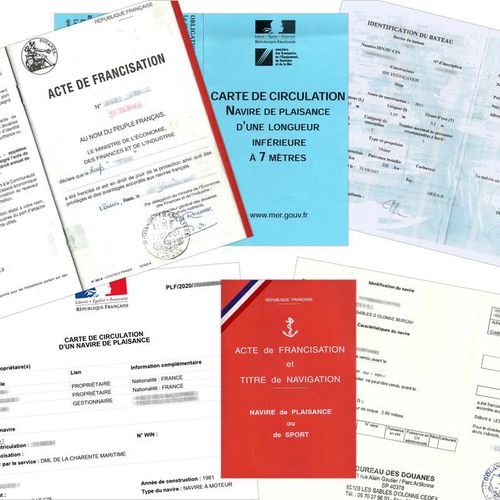
For safe sailing, it is essential to make sure that all the important paperwork is on board before you head out. From the registration certificate to the insurance, by way of the various navigation and radio licences, nothing should be neglected when it comes to complying with the rules in force. Taking the time to gather these documents beforehand avoids any trouble while you are under way and guarantees full compliance with the relevant authorities. So do not forget: before you cast off, check that all the necessary papers are on board and keep them safe in a waterproof bag.

9. Taking on water

When you go to sea, never underestimate how important it is to take on drinking water. Even if you have planned a short outing, it is essential always to carry enough of it. You never know what may happen at sea: an engine failure or any other breakdown can extend your outing and put you in a difficult position if you have not brought enough water to get by. So before you cast off, make sure you have enough to see you through the unexpected.

10. Plan your passage

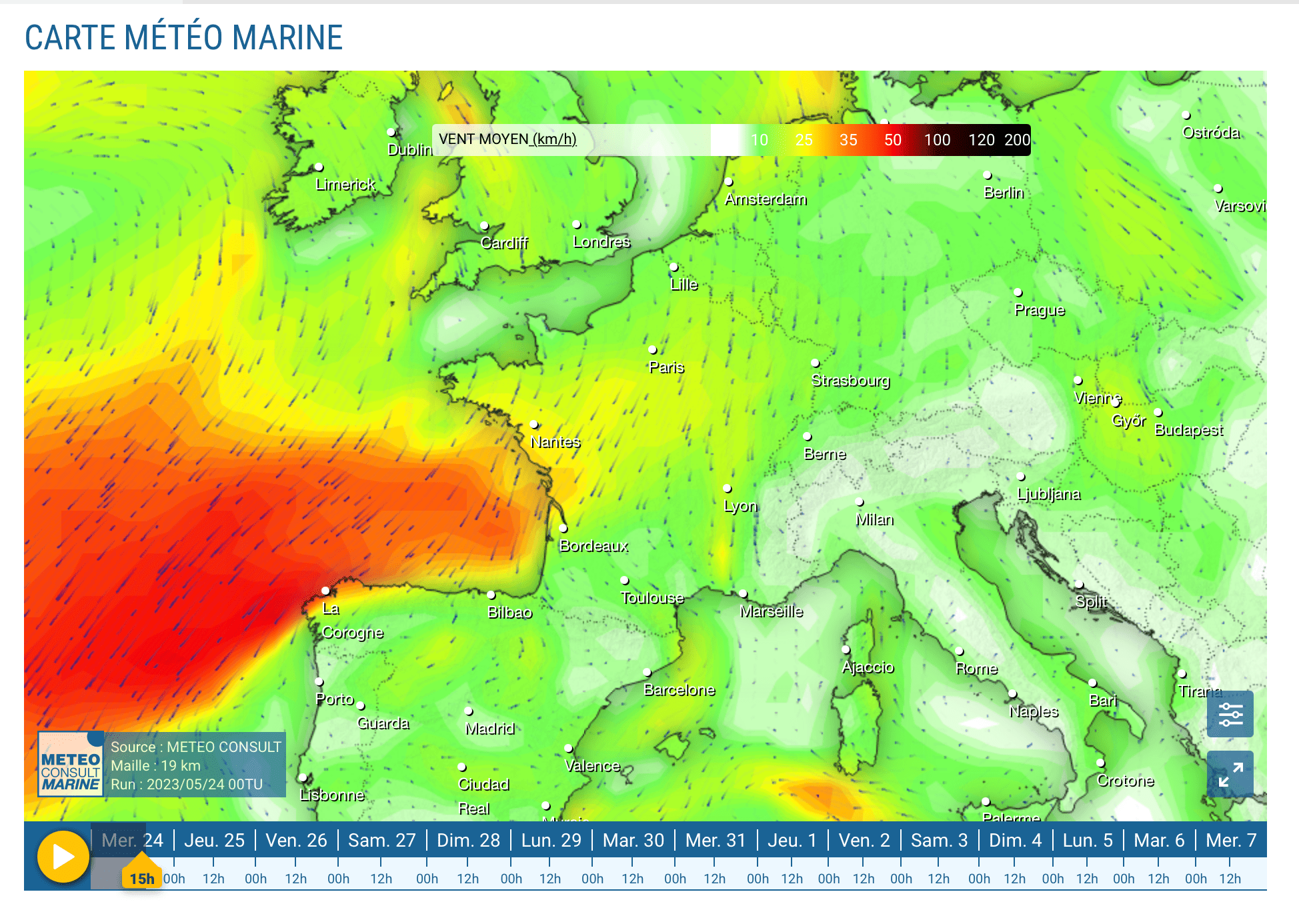
Before casting off, it is essential to plan your passage carefully, so as to avoid nasty surprises at sea. Getting the weather forecast, checking the tides and studying the chart are all indispensable steps for anticipating conditions and adapting your course accordingly. Nor should you neglect the exit from harbour, which can prove tricky if you do not know it well enough. In short, it is better to spend time preparing beforehand, so you can sail with a clear mind once you are out there.

USEFUL CONTACTS

The international distress frequency for leisure sailors and professionals at sea is VHF channel 16. It allows information to be passed to everyone and a direct link to be established with the CROSS (the French maritime rescue coordination centre) and the rescue services. Every vessel at sea has to monitor this distress channel continuously, so as to be informed of any distress or emergency situation near their position and be able to act while help is on its way. VHF channel 16 broadcasts the special weather bulletins issued by Météo France in real time, to keep sailors informed of conditions. The CROSS handles that broadcast along the whole coastline.

The only telephone number to use in an emergency to reach the Centre Régional Opérationnel de Surveillance et de Sauvetage en Mer (CROSS) is 196. It should not, however, replace VHF channel 16, which remains the priority for alerting the CROSS when you are at sea. The number 196 is a free way of contacting the CROSS for your area at any time, from any telephone, seven days a week, twenty-four hours a day. If you are on the coast and witness an emergency at sea, you should use this number to help the rescue services act. When you are speaking to the CROSS, it is important to give detailed and accurate information. You must state:

  • whether you are the victim or a witness
  • your location
  • the reason for your call
  • Always make sure the person you are speaking to has ended the conversation before you hang up.

    This is a multilingual service that lets you consult ten days of marine weather forecasts by telephone, for spots, harbours and both inshore and offshore zones. The forecasts are updated every three hours and available in French, English, Italian, German and Spanish.

    Related products

    Bags & transport

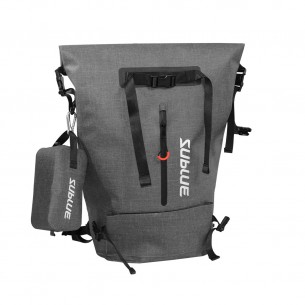
    30L waterproof backpack Sublue

    Sublue
    BAGWTPF
    €99.00
    Sublue roll-top, thermoplastic polyurethane (TPU)-coated water- proof backpack keeps your gear dry and protected, even when it is fully submerged.

    Comments (0)

    No comments at this moment
    Product added to wishlist
    Product added to compare.