
Your cart
There are no more items in your cart
- News
- 0 likes
- 6306 views
- 0 comments

If you are struggling with a fear of water, the first thing to do is identify the source of that fear. Is it linked to swimming, or simply to touching water? It can help to work out where and how the fear began. By understanding its roots, you may be able to overcome it slowly and face your fear of water head-on.
Another effective way to approach a fear of water is to start small and gradually increase your exposure. If you are afraid of swimming, for instance, begin by dipping your toes into a pool or taking a few steps in shallow water before attempting anything harder. The same goes for other water-related activities, such as showering or bathing: start gently and build your confidence over time.
What is a fear of water?
Fear of water, also known as aquaphobia, is defined as an irrational fear of water or of any situation involving contact with, or proximity to, large bodies of water. This fear can range from mild to severe and can be triggered by anything from swimming in the ocean to taking a shower. Symptoms can include trembling, sweating, nausea, a racing heartbeat and feelings of panic or dread.
Fear of water is a fear that is often misunderstood but increasingly common. People affected by a water phobia can feel extreme anxiety when confronted with situations such as swimming, boating or even bathing. Let us take a closer look at exactly what constitutes a panicked fear of putting your head under water, and at how it can be managed.

It is also important to see a professional if your fear of water is preventing you from enjoying life or from taking part in activities in the water. A therapist or counsellor can help you overcome the fear, practise relaxation techniques and develop strategies for reducing anxiety in water-related situations. They may also recommend medication to help you overcome your aquaphobia.
Finally, it is essential to remember that overcoming a fear of water takes patience and perseverance. It will not happen overnight, but by proceeding in small steps you can slowly gain confidence and get on top of the phobia. With the right method, the right support and enough determination, anyone can learn to manage their fears.
Aquaphobia can have many underlying causes. Some people develop a fear of water because of earlier negative experiences around it — if they nearly drowned as a child, for instance, or had an unpleasant experience swimming in open water.
Others may have developed their fear after watching someone else go through a traumatic experience involving water. In some cases there may be no identifiable cause at all: the fear may simply be the result of a genetic predisposition or of environmental factors.
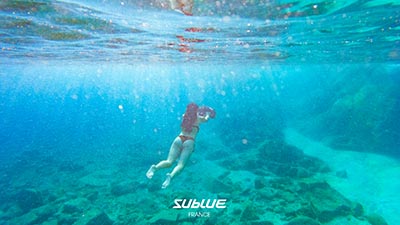
Fear of water can be a daunting thing to face. Whether you are a new swimmer or someone who has been afraid of water since childhood, it is important to know that you are not alone. There are many strategies that can help you overcome the fear and rediscover the pleasure of swimming. In this blog post we look at some of them and at how they can help you fight your fear of water.
1/ Go gently and steadily
When it comes to overcoming your fear of water, slow progress is still progress. Take baby steps towards becoming more comfortable with swimming. Start by standing in the shallow end before putting your head under, and increase the depth gradually as your confidence grows. Try to concentrate on breathing techniques such as belly or diaphragmatic breathing, to help relax your body.
2/ Visualisation techniques
Visualisation is another useful technique for tackling a fear of water. Picturing yourself succeeding at an activity can help build a positive attitude and give you the confidence to get into the pool and try it for yourself. Think about how you want your swimming experience to go, about the kinds of technique you will use and about doing well in the water.
3/ Find a supportive environment
It can also be very helpful to find a supportive environment in which you feel safe while you learn to swim again. You might sign up for a course at your local community centre, for instance, or find a one-to-one instructor who specialises in helping people with a fear of water.
Having someone knowledgeable beside you through this process can make all the difference in building your self-confidence and in overcoming any anxiety or fear that may arise during your return to the pool.
4/ Managing a fear of water
Overcoming a fear of water can feel like an insurmountable task, but with determination and practice anyone can make progress towards becoming comfortable with swimming again.
By going gently, using visualisation techniques and finding an environment that supports learning, anyone can overcome the fear of getting back into the pool. Remember that everyone has different needs when it comes to overcoming anxiety or fear, so do not hesitate to ask a professional for help if you need it.
The good news is that most people with aquaphobia are able to manage their fear over time, through cognitive behavioural therapy (CBT) or other forms of psychological treatment such as exposure therapy and relaxation techniques.
It is important for anyone affected by this condition to seek professional help, so as to manage their symptoms effectively and find relief from their anxiety. With the right advice and support, it is possible to overcome even the most intense fears around water and to rediscover the pleasure of swimming.
5/ Get help from a sea scooter
Fear of water is more common than you might think, and it deserves our attention and our understanding if it is to be managed effectively. If you feel you have symptoms similar to those associated with aquaphobia, do not hesitate to seek professional help.
Thanks to effective treatments and strategies such as cognitive behavioural therapy (CBT), exposure therapy and relaxation techniques, it is possible for anyone with this condition to learn to manage their fears and to enjoy activities involving large bodies of water once again.
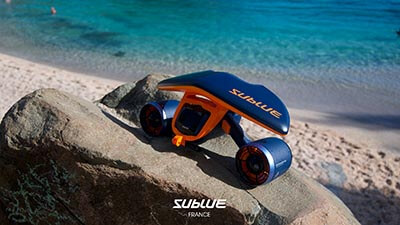
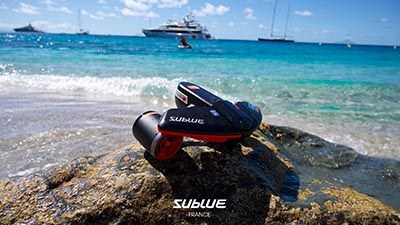
A compact sea scooter could help you get to grips with your fear of water, because it acts as a support and an aid to swimming and to pushing yourself in situations that might otherwise cause panic. It improves your speed, it can help you get through caves and darker places faster, and it helps you improve your freediving.
It could also make a good gift idea before the summer.
The truth about sharks: clearing up the misconceptions and the myths
It is no surprise that sharks are among the most feared creatures on Earth. From Jaws to Shark Week, sharks have been portrayed as vicious predators with no regard for human life.
In reality, though, shark attacks are extremely rare and the odds of being attacked by one are slim. Let us look at a few common misconceptions and myths about sharks, and explain why you should not be afraid of them.
Misconceptions about sharks
One of the most widespread misconceptions about sharks is that they are out to attack humans. That may make for an exciting film plot, but it is simply not true.
In fact, most shark attacks happen when humans enter their natural habitat, or when a shark mistakes a human for prey. Most shark species are not even interested in humans: they prefer to feed on small fish or on marine animals such as seals and sea lions.
Another widespread misconception is that all sharks are aggressive man-eaters. That is far from the case. There are more than 500 species of shark and only a handful pose any threat to people. What is more, many sharks — such as the whale shark, the largest fish in the ocean — are gentle creatures that would rather move away from people than confront them.
Finally, there is a belief that sharks can smell blood from miles away and will attack anyone who comes near if they detect it. Not only is that untrue, it is also impossible given the sheer size of the ocean. Sharks rely above all on their sense of sight to find food; if something looks like prey, a shark may take a closer look, but otherwise it pays no attention.
Sharks have been demonised and distorted in popular culture for years, causing fear and panic among swimmers all over the world. Those fears are unfounded, however, since most shark species pose no real threat to people and would rather feed on small fish or marine animals than on humans.
If you do find yourself swimming in an area known for shark activity, remember to stay calm, avoid any sudden movement and head back to shore as soon as you can — but do not worry too much. The odds of being attacked by a shark are incredibly low, so enjoy your time in the water without fear.

Comments (0)