Shipwrecks scattered across the world's oceans are gateways to the past, offering a unique glimpse of the civilisations, the eras and the battles that shaped our history. These remains, resting in the silence of the deep, capture the imagination of divers, researchers and history enthusiasts alike.

More than a simple attraction, they constitute an invaluable cultural heritage, preserving accounts of bravery, tragedy and exploration. Underwater archaeology plays a crucial part in discovering and conserving these witnesses to our maritime past.

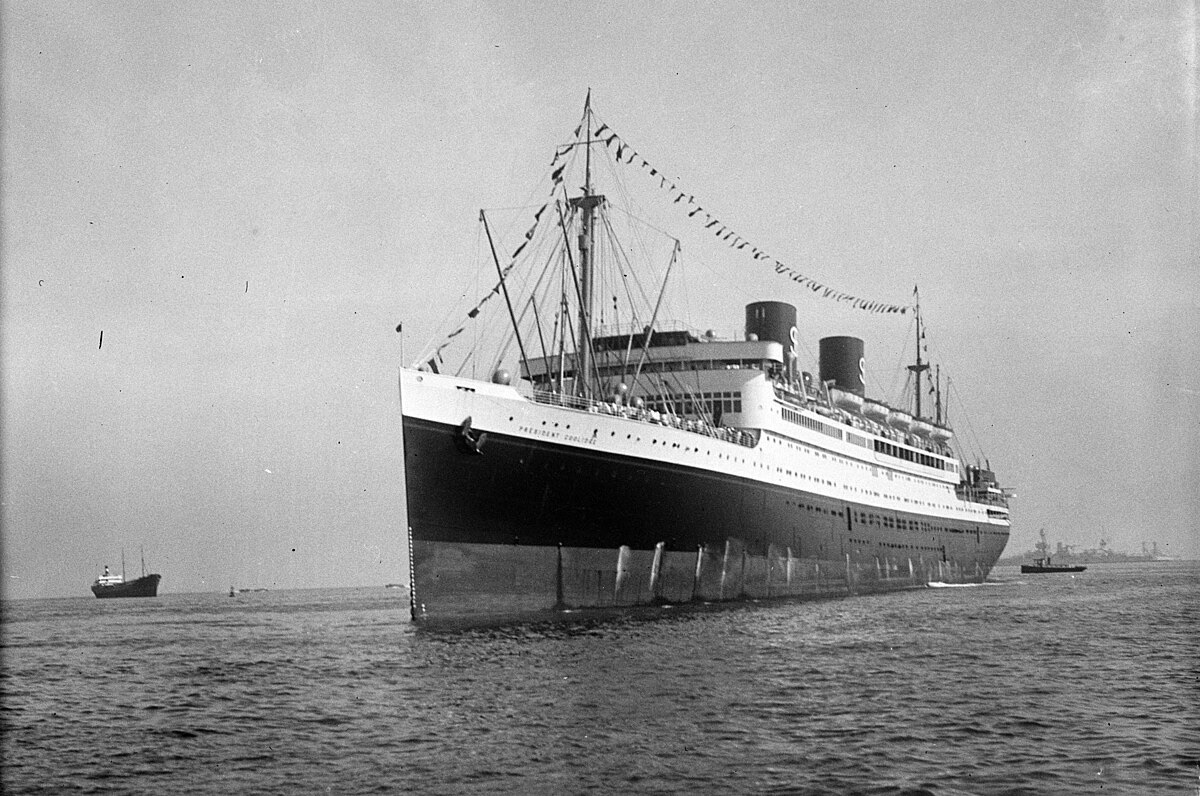
In this article we dive into the abyss to explore the stories and legends of the most famous shipwrecks in the world, from the tragic sinking of the Titanic to the buried mysteries of the SS President Coolidge, and see how these silent guardians of the deep continue to capture the imagination and to add to our understanding of maritime history and of the events that shaped our world.

The call of the deep

The mysterious appeal of shipwrecks

The mystery surrounding shipwrecks makes them particularly fascinating. Every wreck has a story to tell, whether it is a ship swallowed by war, a vessel lost to natural disaster, or one that vanished without trace.

These stories, often woven through with legend and accounts of survival, feed our curiosity and our desire to explore the unknown. Wrecks are time capsules, preserving moments frozen in time and offering unique perspectives on ages long gone.

Exploration and discovery

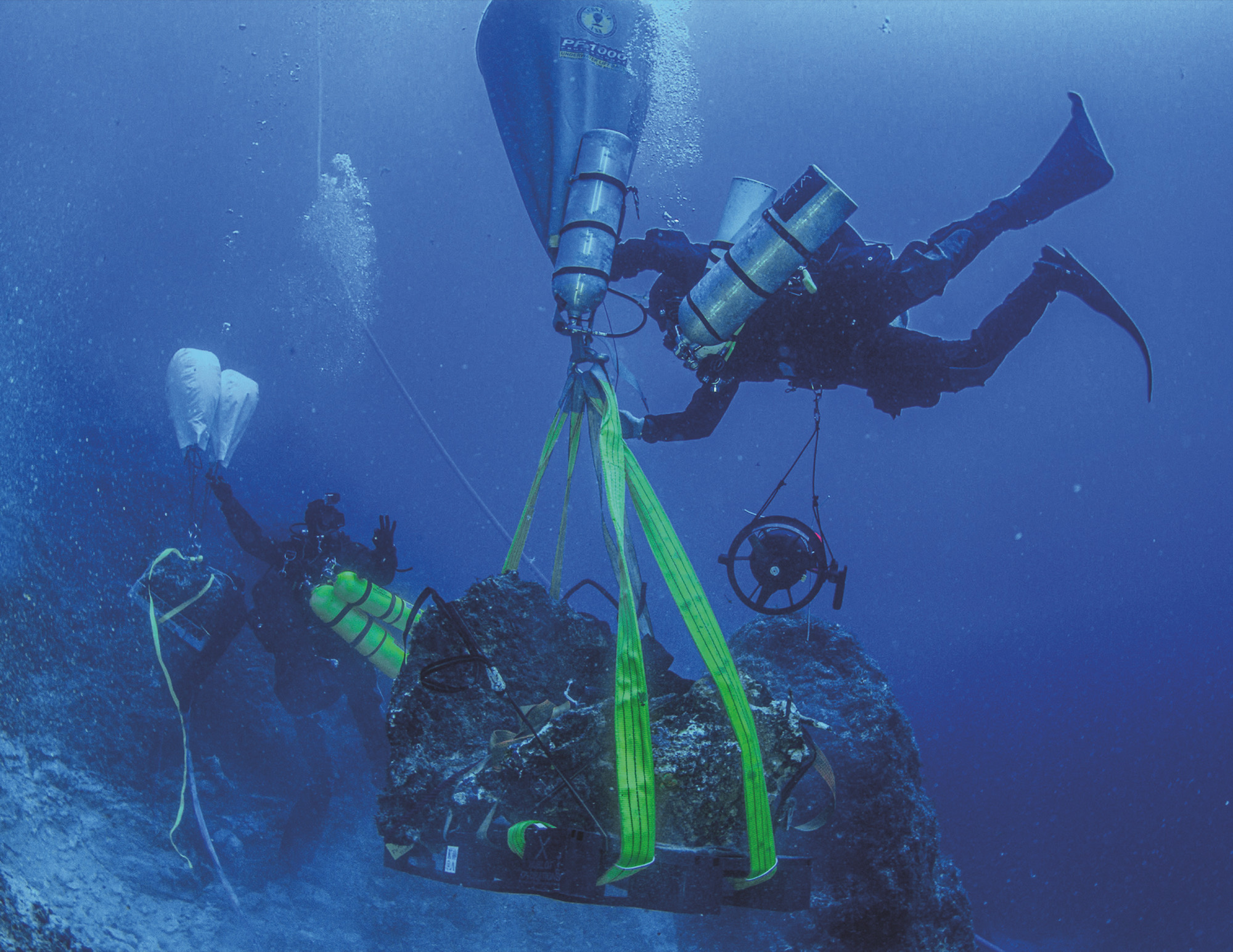
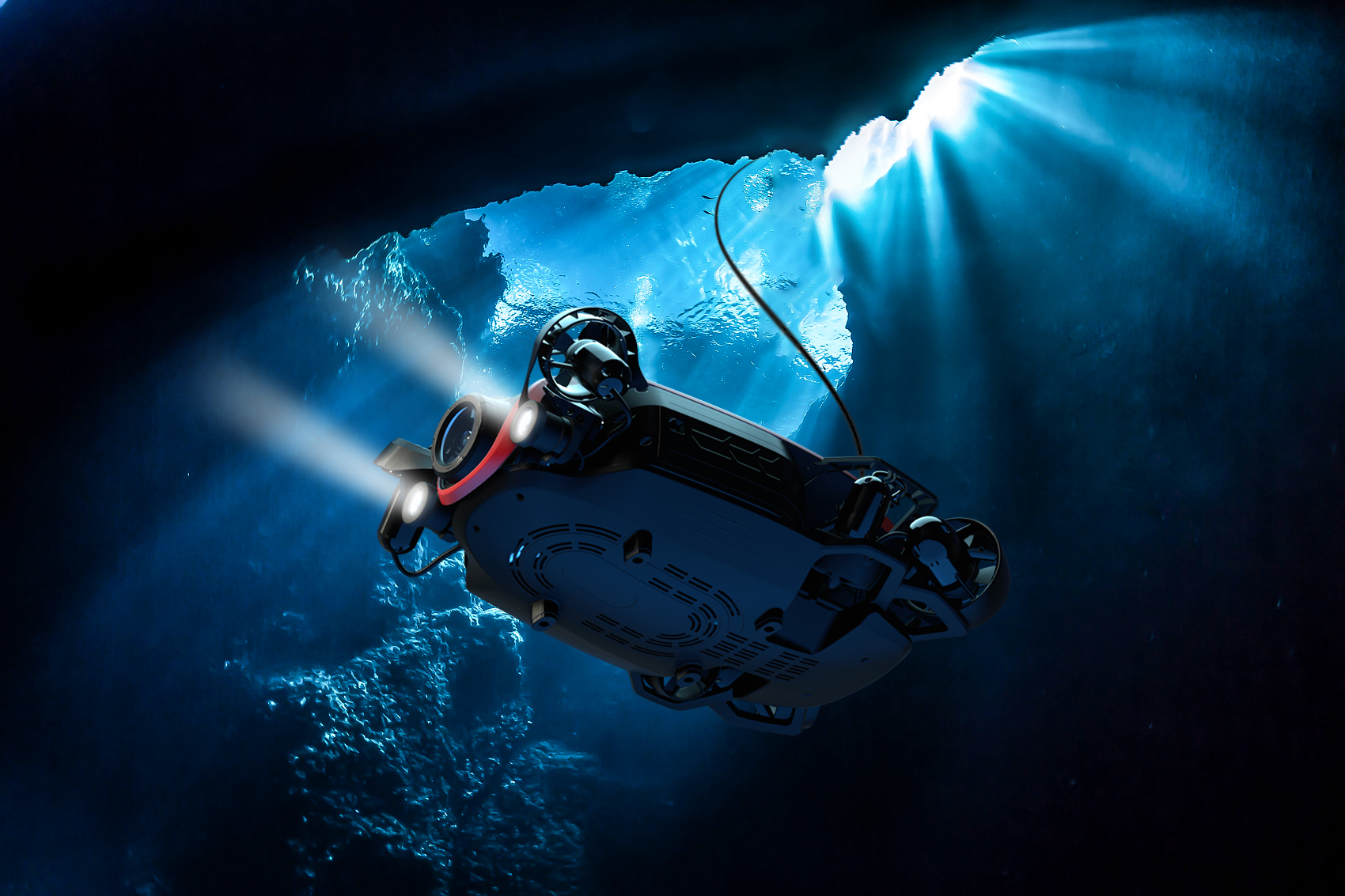
Technological advances have revolutionised the exploration of the seabed, making it possible to locate and study wrecks that were previously out of reach. Thanks to equipment such as sonar, ROVs (remotely operated vehicles) and advanced diving systems, explorers can now reach impressive depths.

These technologies open the way to new discoveries, enriching our understanding of past societies and of the historical events that brought these vessels to their eternal rest below the surface.

Famous wrecks and their stories

The SS President Coolidge and the San Francisco Maru

Among the most famous wrecks, the SS President Coolidge, grounded off Vanuatu, offers a poignant testament to the Second World War. This luxury liner, converted into a troop transport, now rests among crystal-clear water, drawing divers and historians alike.

Not far away, the San Francisco Maru, a Japanese warship, lies in the depths of Chuuk Lagoon, its cargo of ammunition and military vehicles perfectly preserved, a testament to the strategy and the tragedy of the war in the Pacific.

Scapa Flow and the San José

Scapa Flow, in Scotland, is another world-renowned wreck site, holding the remains of the German fleet of the First World War. This historic place offers a window onto the tensions and the naval tactics of the time.

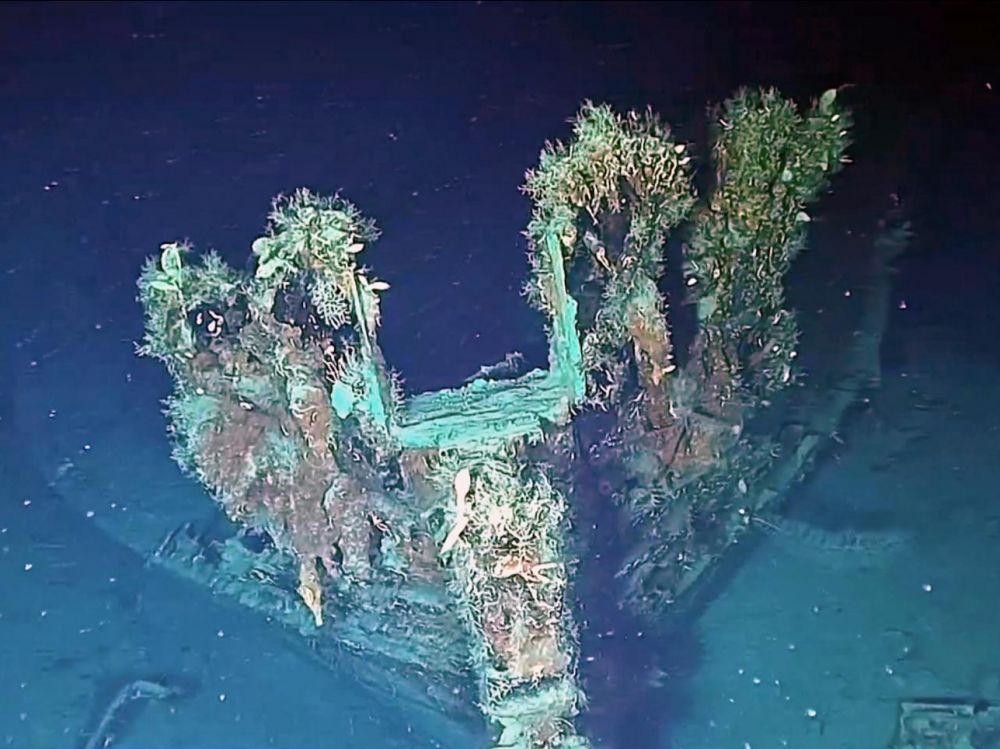
The wreck of the San José, a Spanish galleon sunk off Colombia, holds one of the greatest underwater treasures ever found. Its recent discovery raises fascinating questions about heritage, sovereignty and colonial history.

The Titanic

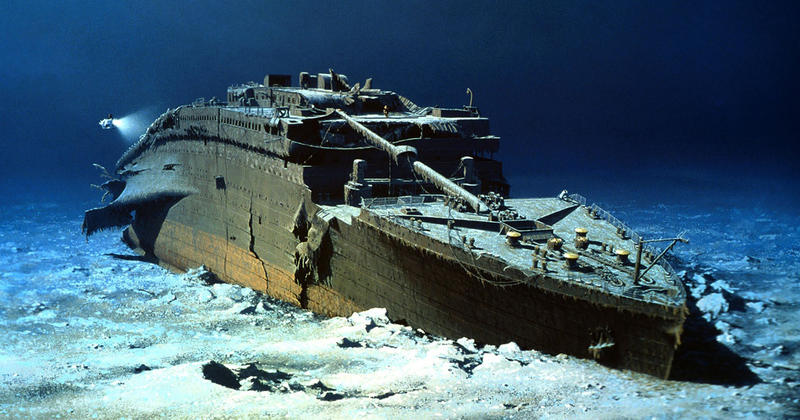
The Titanic, the most emblematic wreck in the world, has rested 3,800 metres down in the North Atlantic since it sank in 1912 on its maiden voyage from Southampton to New York. Its discovery in 1985 revived both media and scientific interest, offering valuable insight into the circumstances of the tragedy.

Images of the wreck and the artefacts recovered tell a poignant story of dreams and disaster, making the Titanic a timeless symbol of human ambition and human vulnerability.

The Bismarck

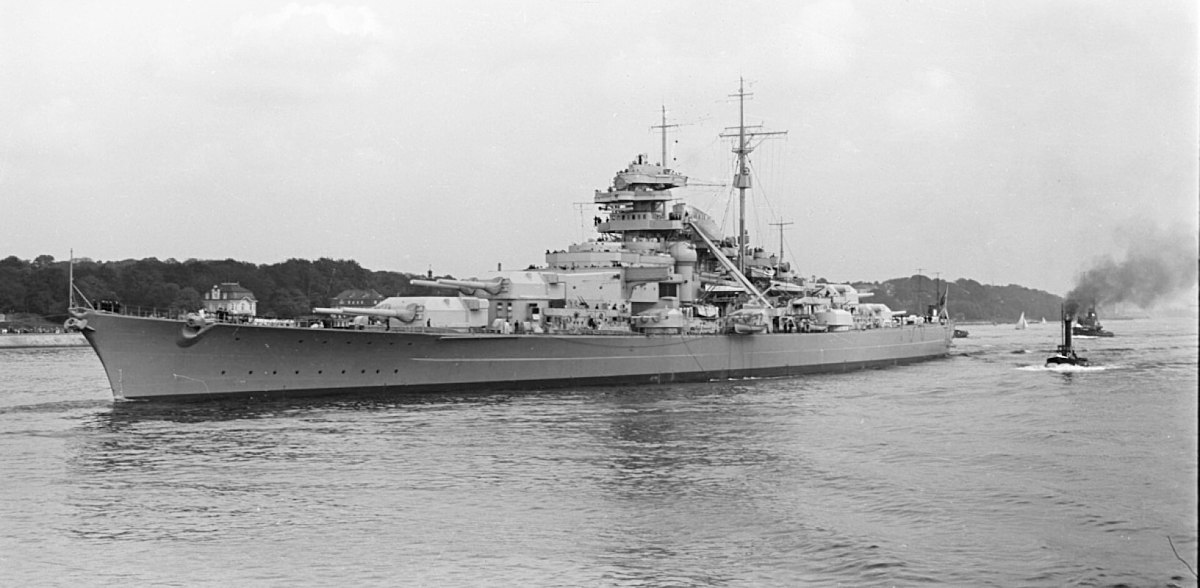
This German battleship of the Second World War was sunk in 1941 in the North Atlantic. Its discovery in 1989 by Robert Ballard — the same explorer who found the Titanic — answered a great many questions about the circumstances of its sinking.

The USS Arizona (BB-39)

Sunk during the attack on Pearl Harbor by Japanese forces in 1941, the USS Arizona still rests on the bottom of the naval base at Pearl Harbor in Hawaii. Today it is a memorial to the American sailors killed during the attack.

The SS Thistlegorm

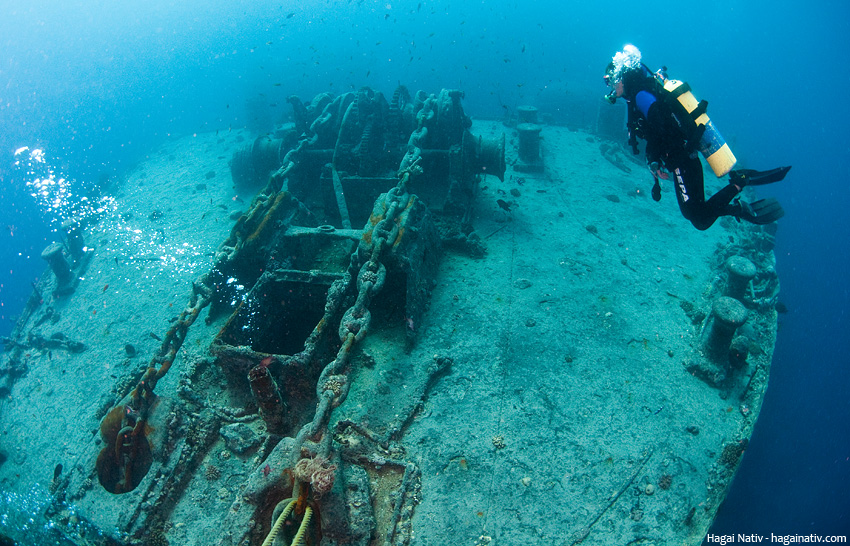
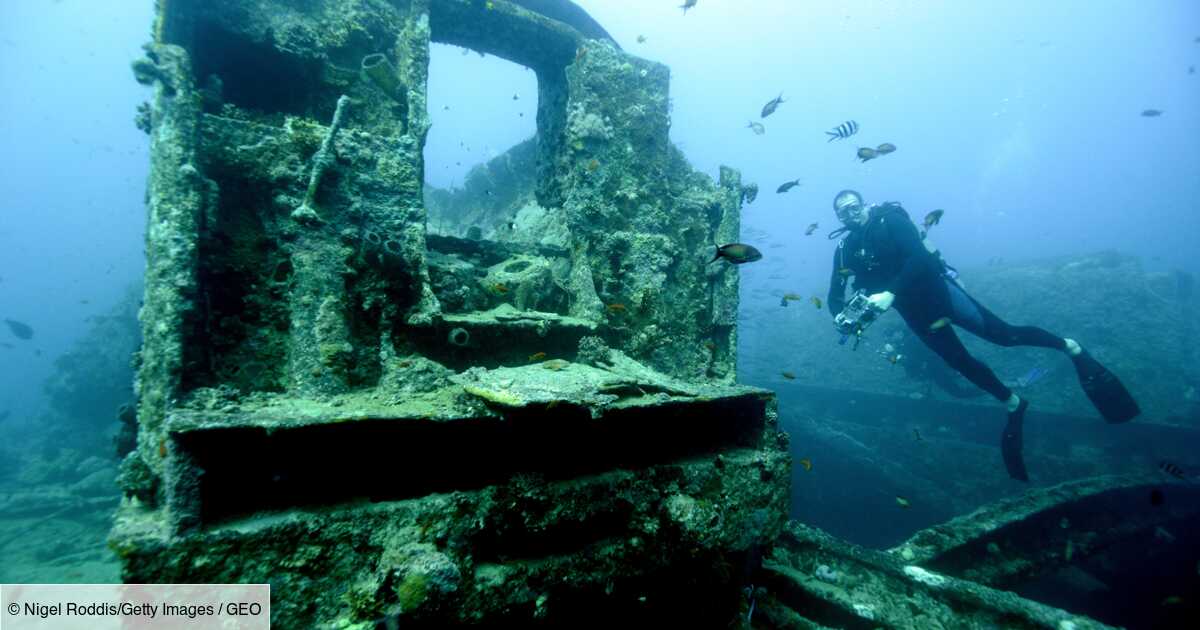
The SS Thistlegorm, a British cargo ship of the Second World War, has rested on the bottom of the Red Sea since it was sunk in 1941 by German aerial bombardment. That tragic incident turned the ship into one of the most captivating and most visited wrecks in the world. Its appeal lies in its remarkably well-preserved cargo, which offers a fascinating window onto the past. Divers can find motorcycles, trucks, railway wagons, weapons and ammunition, all still intact in the ship's holds. The clarity of the water and the historical richness of the SS Thistlegorm make it an unmissable dive destination, where adventurers can touch the history of the Second World War with their own hands.

The RMS Lusitania

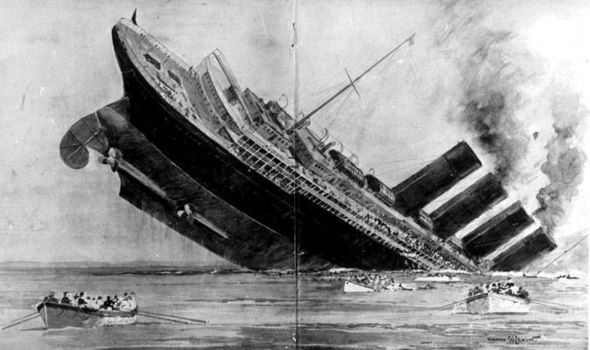
The RMS Lusitania, a luxurious British liner, was tragically sunk by a German submarine in 1915, off the coast of Ireland. That devastating sinking cost the lives of 1,198 of the passengers and crew on board, one of the darkest events in maritime history. Beyond the human tragedy, the loss of the Lusitania had a profound effect on the course of history, contributing significantly to the shift in American public opinion and hastening the entry of the United States into the First World War. The wreck of the Lusitania remains a poignant site of commemoration and historical study, a testament to the international tensions of the time and to the vulnerability of human life in wartime.

The SS Andrea Doria

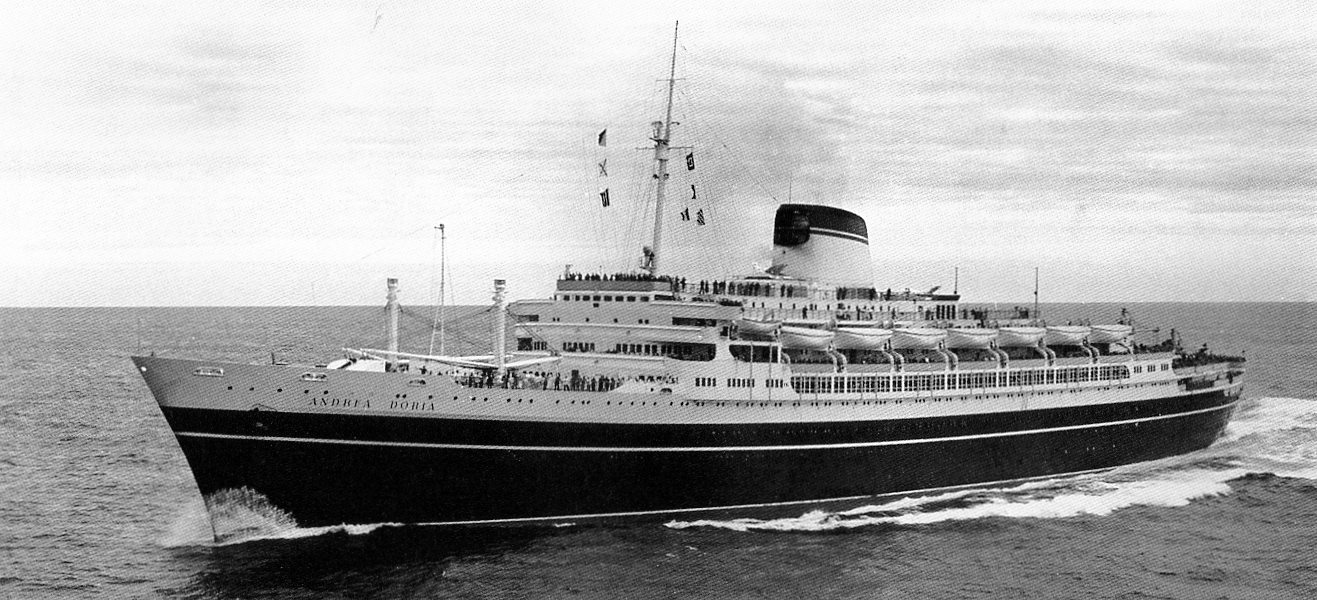
The SS Andrea Doria, famed for her beauty and her luxury, met her tragic fate in 1956, after a collision in thick fog with the MS Stockholm, off the coast of Nantucket, Massachusetts. That dramatic sinking took the Italian liner to the seabed, where she now rests as a memorable icon of maritime history. Despite the risks and the challenges of exploring this wreck, which lies in an area known for its strong currents and poor visibility, the SS Andrea Doria continues to draw experienced divers. They are often motivated by the complexity of the dive, by the fascinating history of the ship and by the chance to see the remains of her splendid past. So, even in her underwater silence, the Andrea Doria keeps her status as a legend, captivating those who dare to venture into her depths.

Wrecks as cultural heritage

Conservation and protection

Preserving shipwrecks is a major challenge. Exposed to currents, corrosion and looting, these structures require constant effort to protect. International organisations and local governments work together to draw up legislation and conservation practices, recognising wrecks as valuable cultural and historic resources. These efforts aim to ensure that future generations too can learn from these submerged relics.

Wrecks and underwater archaeology

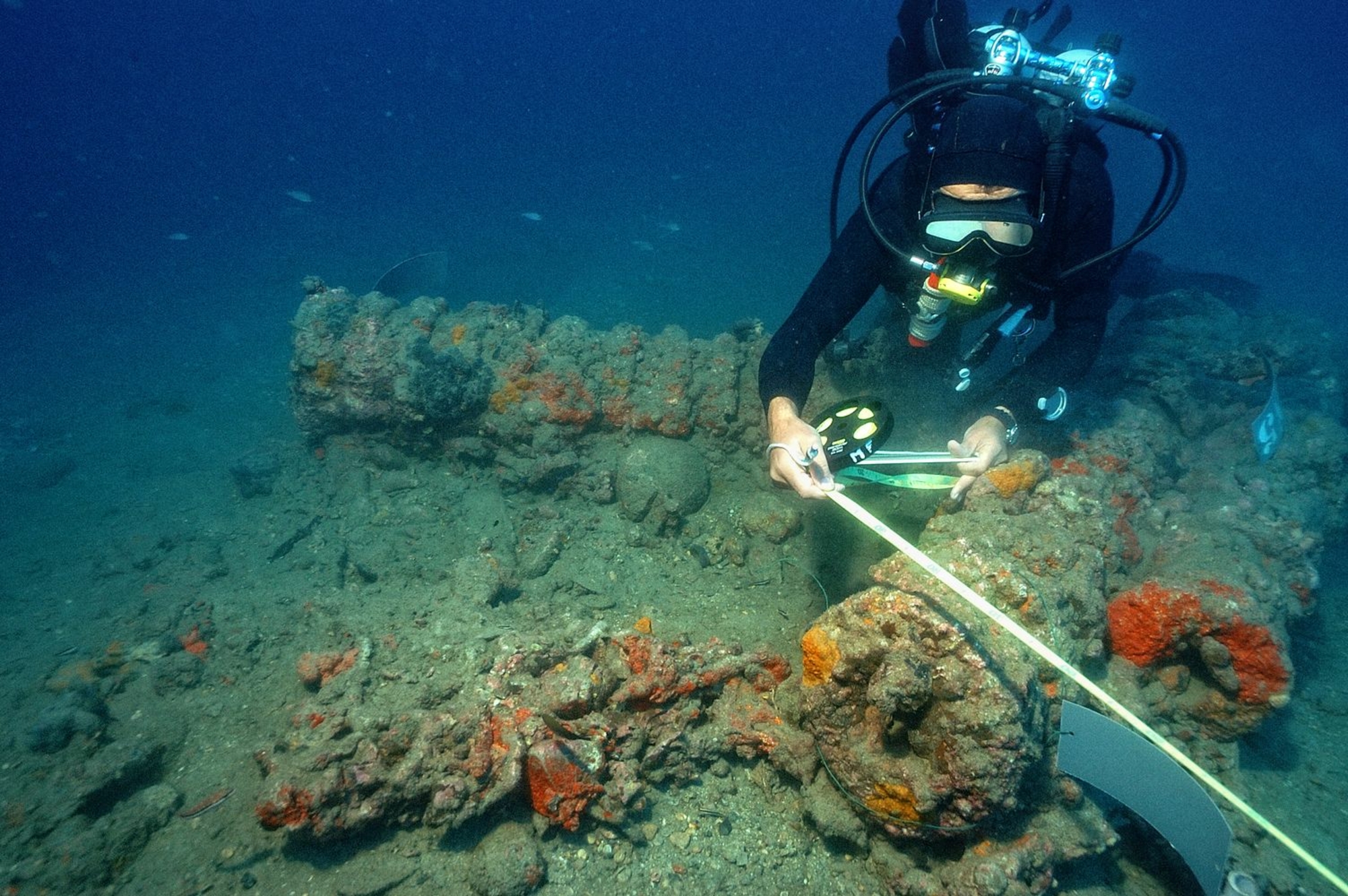
The study of wrecks has contributed enormously to underwater archaeology, a discipline that explores the interaction between people and the sea across time. Wrecks offer invaluable data on naval technology, on trade routes, and even on the way of life of vanished civilisations.

By analysing the artefacts and structures preserved in wrecks, archaeologists can piece together forgotten chapters of our shared history.

Beyond history — wrecks today

Wrecks as ecosystems

Beyond their historical value, wrecks play an important ecological part. They turn into artificial reefs, offering a habitat to a multitude of marine species.

This biodiversity enriches local ecosystems and draws researchers and ecologists keen to study the beneficial effects of wrecks on the marine environment.

Wrecks and underwater tourism

Wreck tourism boosts the local economy in many regions, while raising awareness of seabed conservation. Wreck dives let people connect with history in a unique way and appreciate the beauty of the oceans.

It is crucial, though, to promote responsible practice, so as to minimise the environmental impact and preserve these sites for future generations.

Guardians of the abyss: the importance and the future of shipwrecks

Shipwrecks, stranded and forgotten on the ocean floor, are far more than simple debris. They are the guardians of untold stories, of human tragedy and human triumph, offering a unique glimpse into the often unexplored chapters of our history. Every wreck, whether it lies in shallow water or in unfathomable depths, carries within it accounts of courage, innovation, conflict and sometimes peace, revealing the complexity of human experience across the ages.

Beyond their historical value, wrecks play a crucial part in the marine ecosystem. They turn into artificial reefs, offering shelter and food to a variety of marine species. These improvised habitats add to the biodiversity of the seabed, encouraging life to flourish in otherwise barren areas. Studying these ecosystems can provide valuable information on marine conservation and on ways to protect our oceans.

Modern technology and conservation efforts have opened new doors for exploring and preserving wrecks. Sonar mapping, high-resolution photography and remotely operated vehicles make it possible to study these sites without disturbing them, producing images and data that would have been unimaginable only a few decades ago. These tools not only make it easier to discover new wrecks but also help monitor and protect those already known.

The future of shipwreck exploration looks promising, with the prospect of finding new, still-intact sites and unlocking the mysteries they hold. These efforts are driven not only by curiosity or by the appeal of adventure, but by a desire to understand our past and to draw lessons from it for the future. By preserving these sites, we honour the memory of those lost at sea and commit ourselves to protecting our maritime heritage for generations to come.

Shipwrecks therefore continue to capture the collective imagination, serving as a bridge between past and present, between people and the sea. They are a reminder of humility in the face of natural forces and of resilience in the face of adversity. By exploring these remains, learning from their stories and working towards their conservation, we strengthen our bond with the sea and our commitment to protecting our planet.
Comments (0)

No comments at this moment
Product added to wishlist
Product added to compare.