The Mediterranean Sea is a body of water lying between Europe, Asia and Africa. It has played an important part in trade and culture for centuries, and it is home to a great many species of fish. If you are looking for inspiration for your next trip out to sea, the Mediterranean holds a vast range of brightly coloured fish. From the common European sea bass to the exotic red mullet, there is something for every enthusiast. From the yellow-and-black striped salema porgy to the majestic manta ray, the fish of the Mediterranean bring the sea to life.
Adventure seekers and divers looking for something new
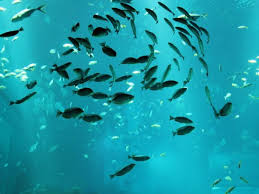
If you are after an unforgettable underwater adventure, look no further than the Mediterranean. With its crystal-clear water and its abundance of marine life, this coastline is a paradise for scuba divers who want to explore a vibrant underwater world. From colourful coral reefs to shoals of fish swimming all around you, there is something magical about diving in the Mediterranean — and it is an experience every diver should have at least once in their life.
The Mediterranean coastline has fascinated oceanographers for centuries because of the unique diversity of its marine life, including breathtakingly beautiful fish such as manta rays, salema porgies and longspine snipefish. Whether you are a seasoned diver or simply an admirer of aquatic wildlife, these enchanting seas have something for everyone.
In this article we look at some of the most beautiful fish that have made this sea their home.
A once-in-a-lifetime experience
The Mediterranean and its calanques hold some of the most diverse ecosystems on the planet, which makes it one of the best places in the world to go scuba diving. The region is home to both cold-water and warm-water species, offering plenty of chances to watch both kinds of creature in their natural habitat. Not only can you see fish such as grouper and barracuda, but also sea turtles, dolphins and even whales if you know where to look. And thanks to that crystal-clear water, you can often spot these animals from a long way off.
An unforgettable underwater adventure in the Mediterranean
Because the Mediterranean teems with so many different marine species, it can be hard to know which ones to look out for on a dive. Before you get in the water, it is worth reading up on the kinds of fish that live in the area — it will help you spot them faster once you are down there. It is also always a good idea to be accompanied by a guide who knows the local species well: they will be able to point out any rare or unusual creature that might turn up during your dive.
The equipment you need for scuba diving
Before you set off on the adventure, you need to make sure you have all the necessary equipment. That means a wetsuit (or a drysuit), fins, a mask, a regulator, a buoyancy compensator (BCD) and a dive computer. Different types of suit suit different temperatures; ask at local dive shops which one best fits your needs. It is also worth noting that different species of fish are found at different depths — some may call for special kit such as a torch — so do your research in advance, and then go and take on the calanques.

As with any activity involving water, safety must always come first when you are scuba diving. Above all, make sure you comply with every local regulation and law on diving in the area you plan to visit. It is also important to know how deep you intend to go: deeper dives call for extra safety measures such as decompression stops. Finally, take every necessary precaution while you are underwater — using the proper hand signals, staying aware of your surroundings — to guarantee a safe and enjoyable dive.
Astonishingly diverse ecosystems
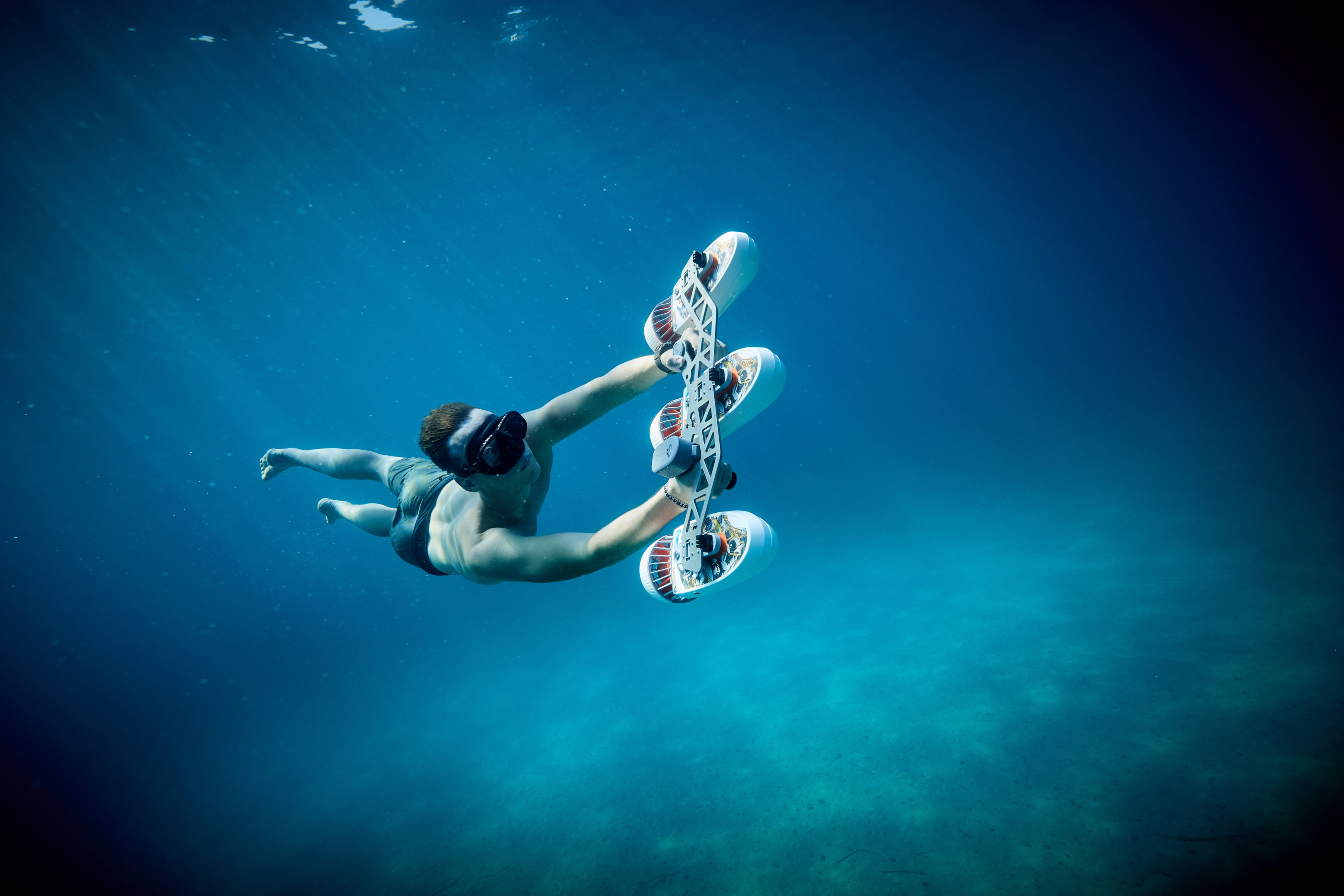
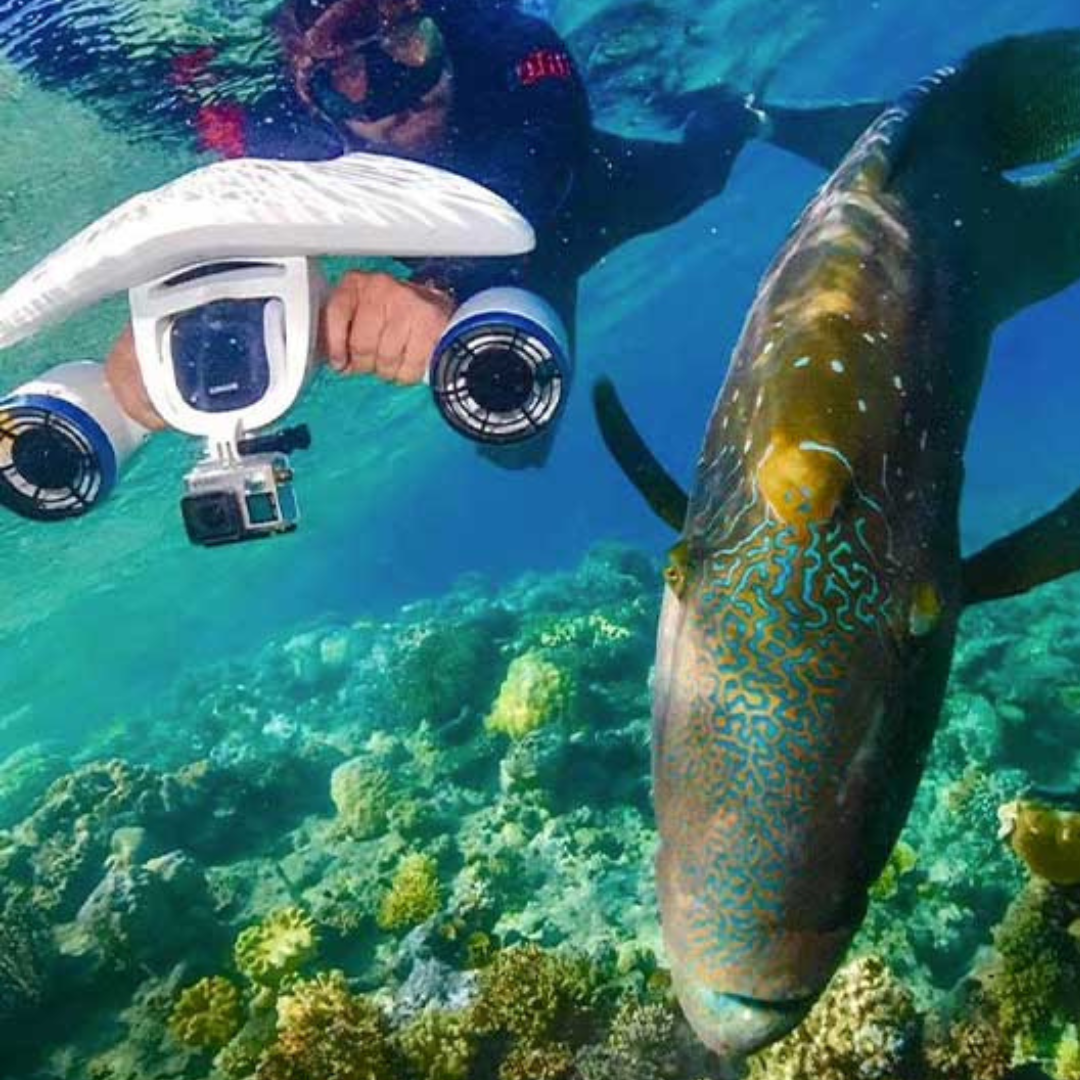
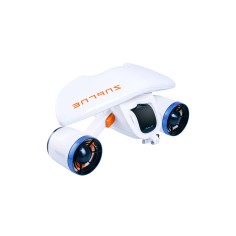
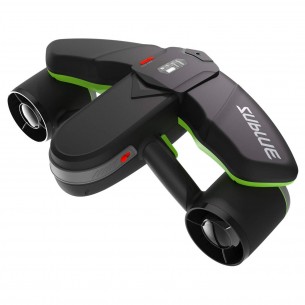
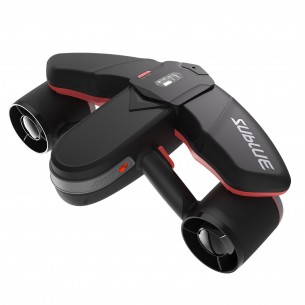
For anyone after an unforgettable underwater adventure, rich in things waiting to be discovered below the surface, scuba diving in the Mediterranean to see the fish is certainly worth considering. The region holds astonishingly diverse ecosystems, brimming with fascinating marine life — fish, sea turtles and even whales if you are lucky. Reading up on the local species in advance will help make your trip as rewarding as possible, so what are you waiting for? Make your plans today — why not with a compact sea scooter to carry you off on an incredible adventure beneath the waves?
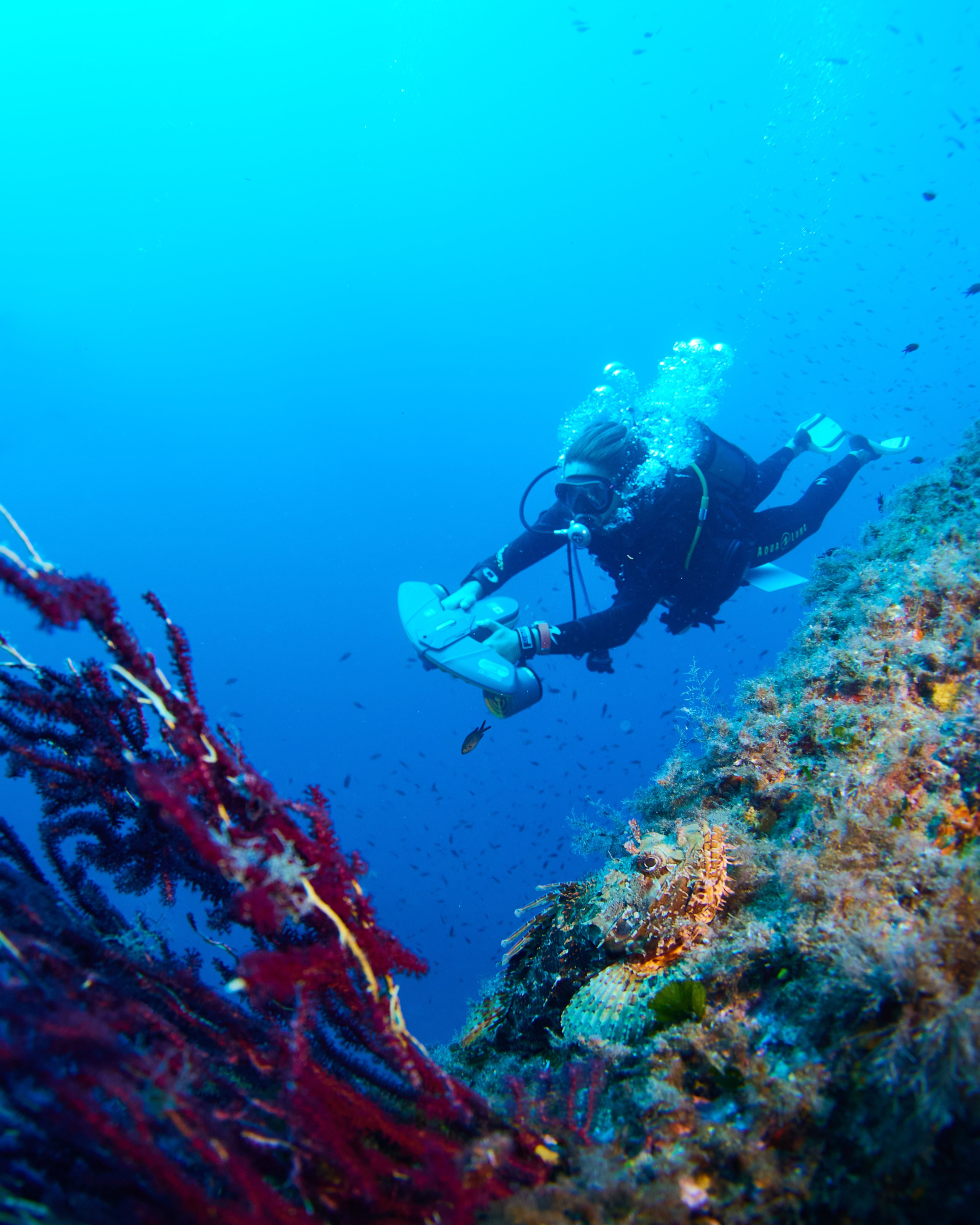
Here is a short guide to some of the most popular fish species in the Mediterranean region.
Spotting marine life
The European sea bass (Dicentrarchus labrax)
The European sea bass is one of the most popular fish found in the Mediterranean. It is an omnivorous species with a life expectancy of up to 17 years, and it can reach 1 metre (3 feet) in length. It is usually caught in shallow or coastal areas. The flesh of this fish is white and firm, which makes it ideal for grilling or baking.
Sardines (Sardina pilchardus)
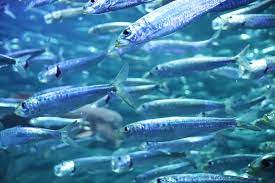
Sardines are small shoaling fish found throughout the Mediterranean. They generally feed on plankton and other small organisms, along with some plant matter. Sardines are short-lived: they usually survive only about two years. Their flesh is oily and full of flavour, which makes them a favourite among seafood lovers. They can be grilled or fried, but they are also often canned and sold as a snack or an appetiser.
Red mullet (Mullus barbatus)
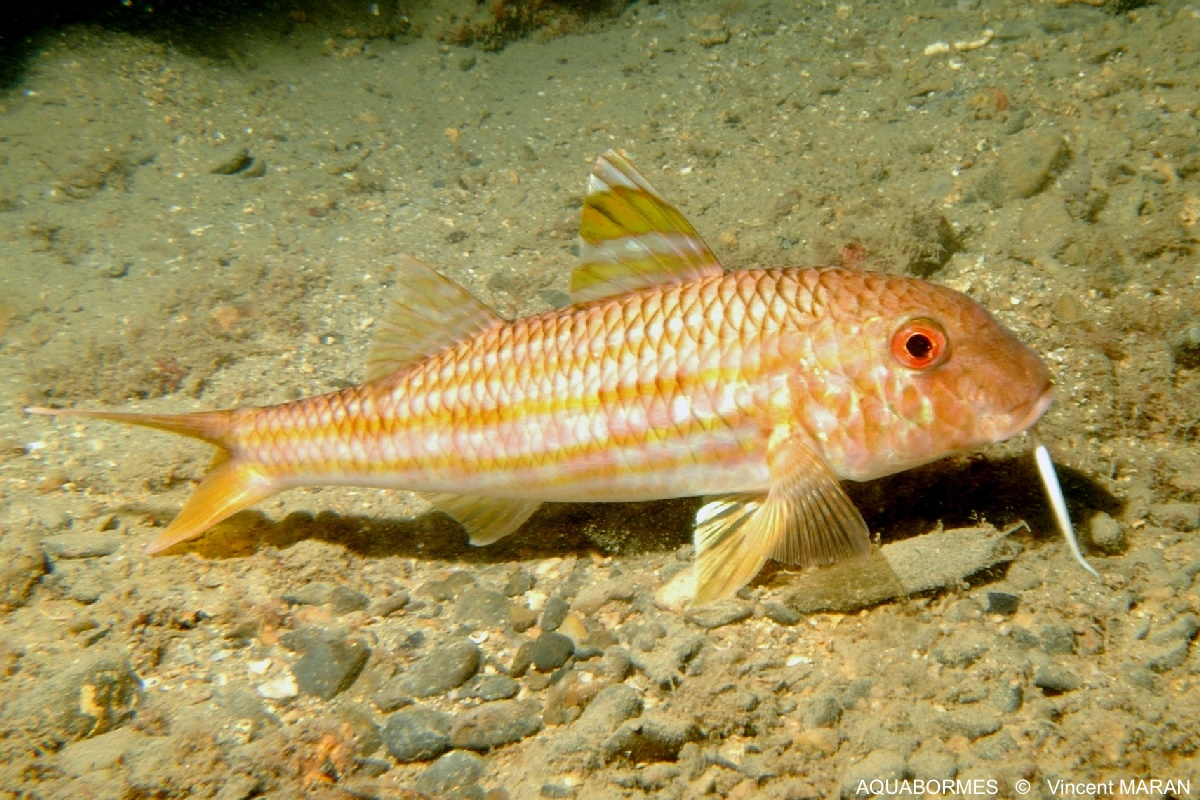
The red mullet is an exotic fish species native to the Mediterranean Sea. Its distinctive reddish colouring sets it apart from the other kinds of mullet found around the world. The red mullet is long-lived (up to 20 years) and feeds mainly on the crustaceans and molluscs it finds on sandy or muddy bottoms at depths of between five and sixty metres (16–196 feet).
The mysterious red mullet
If you have ever been scuba diving in the Mediterranean, you may have come across an odd-looking fish called the red mullet. This curious creature is recognisable by its long, tube-shaped mouth and its strange red eyes. But what exactly is this fish? And where does it come from? Let us take a closer look.
It is a type of parrotfish found in the Mediterranean Sea. These fish are usually orange or red, and they can grow up to 30 cm long. What sets it apart from other parrotfish is that long, tube-shaped mouth, which it uses to suck small prey off the seabed.
The exact origin of this mullet is something of a mystery. Some scientists believe the fish is native to the Mediterranean, while others think it arose in the Red Sea and spread into the Mediterranean through the Suez Canal. The question is still very much debated.
What we do know is that the red mullet is a relatively recent arrival in the Mediterranean. In fact, these fish were not documented there until the early 1800s. Since then it has gradually spread across the whole region, and it is now found in countries such as Italy, France, Spain and Greece.
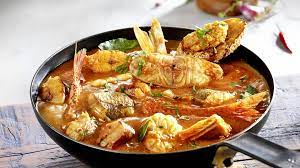
The flesh of these fish is delicate but full of flavour; it is often served cooked with butter-based sauces, or used as an ingredient in salads and pasta dishes.
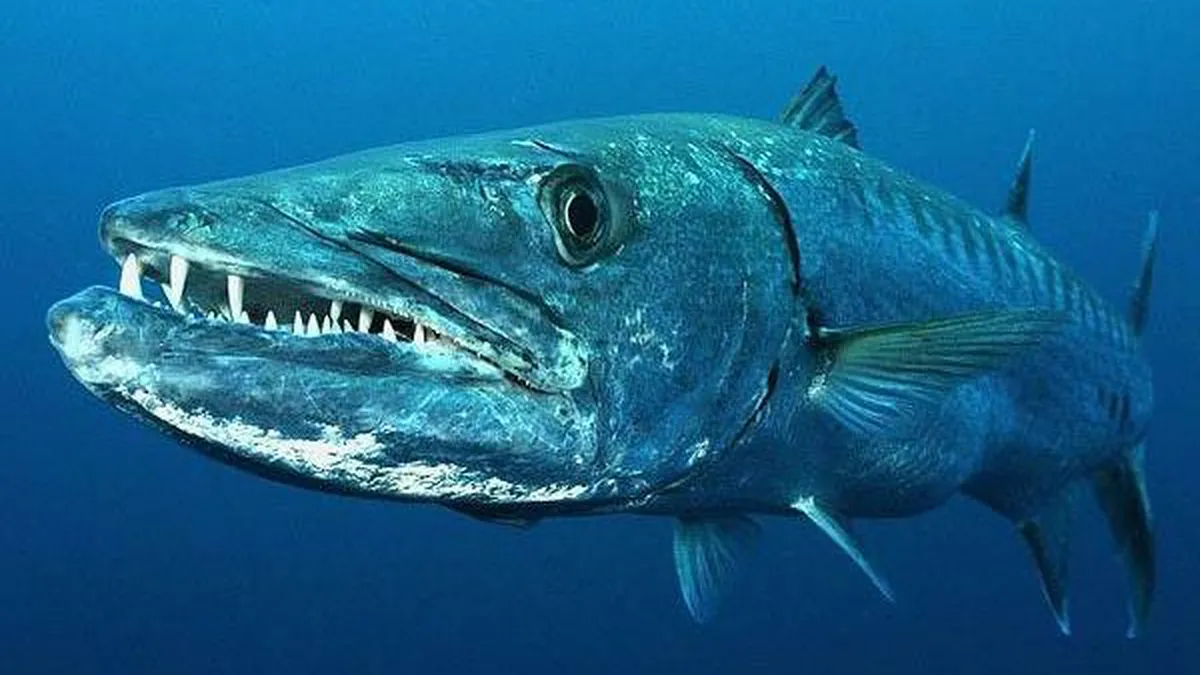
Barracuda
Barracudas are long-bodied fish with a large mouth full of sharp teeth. They can reach 1.80 m in length and weigh up to 90 kg. They are usually found near reefs or on the ocean floor, where they feed on small fish such as sardines and anchovies. As predators, they should be handled with care when fishing.
The barracuda is one of the most striking creatures you can find in the ocean. It is colourful, it swims fast, and it has a unique look that sets it apart from other fish.
The barracuda is known for its elongated body, its large scales, its pointed snout and its prominent teeth. On average they measure between 0.6 and 1.8 m long and can weigh up to 27 kg. They are also fairly fast swimmers, which means they can quickly outmanoeuvre predators or prey.
Barracudas live in every ocean in the world, but they prefer coral reefs, where they lie in wait to hunt their prey — usually small fish. They sometimes form shoals during feeding periods, but they generally hunt alone or in small groups. On top of their speed, they have excellent eyesight, which lets them spot prey from a considerable distance.
Habitat and diet
Barracudas inhabit tropical coastal regions such as coral reefs and estuaries, but they can also be found in temperate climates near river mouths, or even in the open sea as far north as Norway. Their diet consists mainly of small fish — herring, sardine, anchovy, mackerel, shrimp, crab and squid — but occasionally also of larger prey such as octopus or even sea turtle. They use their sharp teeth to tear their meal apart before swallowing it whole.
The barracuda may not be everyone's favourite fish, given its intimidating appearance, but it is certainly impressive. Not only does it swim incredibly fast and have sharp eyesight that lets it see its prey before its prey sees it, it also lives in some very interesting habitats around the world. Whether you are a keen angler after an exciting challenge or an aquarium enthusiast looking for a unique species, the barracuda absolutely deserves to be on your radar. Are you ready to take on this fascinating creature?
The dolphin
The dolphin is one of the most sought-after game fish in the Mediterranean. These colourful creatures can reach a length of 4 feet and weigh up to 40 pounds. They have an elongated body with a flat head and a pointed snout, which gives them their characteristic dolphin-like appearance. They prefer warmer water near the coast and feed on squid, octopus and small baitfish.
It is one of the best-loved animals on Earth, and with good reason. They are highly intelligent aquatic mammals with the unique ability to communicate with humans. They have an extraordinarily advanced social structure and show remarkable problem-solving skills in the wild. In captivity they often form strong bonds with their trainers, which shows just how special these creatures are.
Their characteristic smile has captivated us since time immemorial, but it is their behaviour that makes them so fascinating to watch. They display complex behaviours, such as cooperative hunting and the use of tools — sponges, for instance, to protect their sensitive snouts — while foraging on the ocean floor. They also show many human-like behaviours, such as learning by imitation.
The bluefish
The bluefish is common throughout the Mediterranean and is easily identified by its tapered body, blunt head, silvery scales and dark blue back. The bluefish can grow up to 1.5 metres long and weigh as much as 10 kg, which is not bad for a mid-sized fish. The Mediterranean bluefish (Scomber colias) is a leading predator in the Mediterranean Sea. This fish has unique adaptations that let it survive and thrive in its environment. It is an aggressive hunter, equipped with sharp teeth and an agile body that can swim at up to 40 miles per hour when chasing prey. The Mediterranean bluefish feeds mainly on small fish such as sardines, anchovies and small mackerel. As well as hunting its own prey, this species also likes to follow other fish in search of scraps they drop while hunting for their own meal.
Salmon
Atlantic salmon is native to the rivers flowing into the northern Atlantic Ocean, from Scotland to Russia; it is nonetheless also found throughout the Mediterranean, where it has been introduced through stocking programmes over time. Salmon generally swim alone, but they may form shoals at certain times of year when feeding or migrating upstream during the spawning season (May–August). Their diet consists mainly of small invertebrates, but they also eat larger prey such as other fish or even frogs.
The many benefits of adding salmon to your diet
Salmon is one of the most nutritious foods you can add to your diet. This popular fish is packed with essential vitamins and minerals, as well as essential fatty acids such as omega-3. By working salmon into your regular meal plan, you can enjoy a great many health benefits.
Benefits for brain health
Salmon may be small in size, but it is very effective for brain health. Its high omega-3 fatty acid content helps keep the brain in good working order.
Benefits for heart health
Omega-3 fatty acids are also good for heart health, because they lower cholesterol levels and help bring down blood pressure. Salmon is an excellent source of these essential fats, so eating it regularly can help keep your heart healthy and reduce your risk of developing cardiovascular disease.
An immune system booster
On top of its many other nutritional benefits, salmon also contains high levels of vitamin D and zinc, both important for maintaining a strong immune system. Eating salmon regularly can supply these vital nutrients and strengthen your immunity against common illnesses such as colds and flu.
Next time you go shopping, do not forget to buy some salmon.
The longspine snipefish
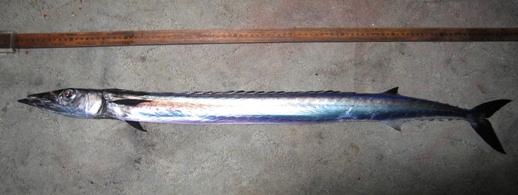
Another beautiful species found in these waters is the longspine snipefish. These long, slender fish are easy to identify by their elongated body and prominent snout, which gives them an almost eel-like look. Longspine snipefish are usually light brown or greyish, with darker markings along their flanks and back. They feed on the small crustaceans and planktonic organisms found near coral reefs or other rocky areas, at depths of between 10 and 200 metres (33–656 feet).
The magnificent manta ray
One of the most emblematic species in the Mediterranean is the manta ray. These enormous creatures can reach a length of 23 feet and weigh up to 5,500 pounds. They also have exquisitely patterned skin, ranging from black to mottled brown. Their gentle nature makes them a favourite among scuba divers and freedivers alike.
The manta ray is a majestic creature that lives in oceans all over the world. Known for its great size and its graceful movement, it has captivated people for centuries with its beauty and its mystery. Let us take a closer look at this fascinating creature and explain what makes it so unique.
The physical characteristics of the manta ray
The manta ray is one of the largest fish in the ocean, reaching up to 9 metres (30 feet) from wingtip to wingtip. Its body is flat and broad, with two large fins projecting from either side. Its eyes sit on top of its head, which lets it watch for potential predators while keeping a clear view of its surroundings. Its mouth is wide and holds more than 300 rows of tiny teeth, used to feed on small prey such as plankton and krill. This species can live between 10 and 50 years in the wild, depending on environmental factors.
Manta rays are highly adaptable
Manta rays are found all over the world, but they tend to prefer warm tropical waters, since they need higher temperatures to survive. They are also highly adaptable creatures, able to migrate over long distances when necessary; some are even known to travel hundreds of kilometres during their migrations. Their diet consists mainly of plankton, but they can also feed on small fish or squid when they need to.
Manta rays are social animals
Manta rays are social animals that often travel in groups known as "schools" or "squadrons", which can range in size from a handful of individuals to several hundred. They communicate with the other members of their group through pectoral fin movements, head shakes and subtle body signals.
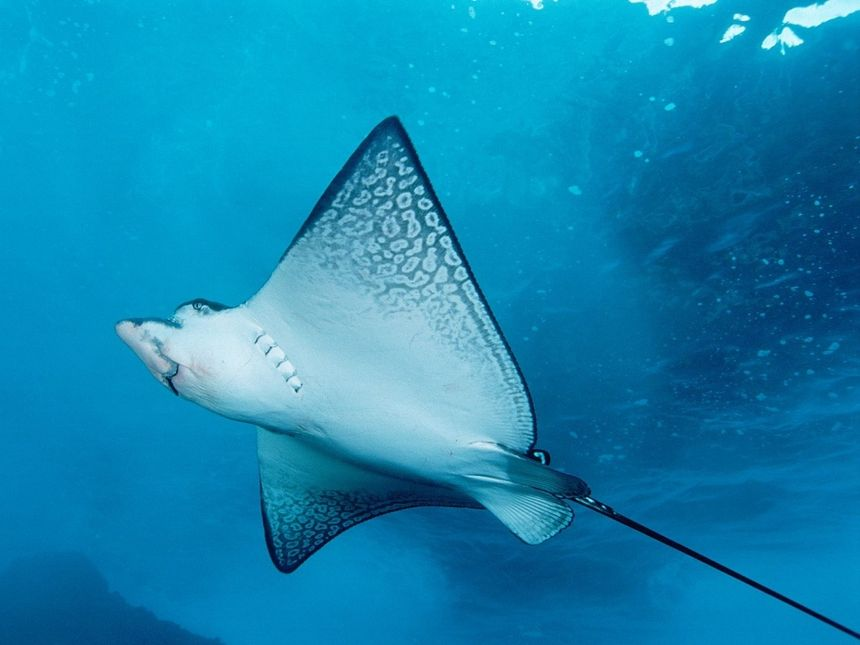
Manta rays also possess advanced cognitive abilities: they can learn new behaviours from one another, and they can even recognise humans without having been trained to. That makes them a popular attraction for underwater photographers, as well as for researchers studying their behaviour in captivity and in the wild.
The manta ray is an extraordinary species that has captivated people for centuries with its beautiful grace and its mysterious nature. Much remains to be learned about these majestic creatures, but one thing is certain: they deserve to be protected, given their remarkable adaptability, their intelligence and their sociability. By continuing to study their behaviour in captivity and in the wild, we may yet uncover further secrets about these incredible animals — secrets that will help us better understand our place in their habitats and how best to protect them for generations to come.
To finish
The Mediterranean Sea is an incredible ecosystem, home to a huge variety of marine life. With its crystal-clear water and its breathtaking underwater views, it is no wonder so many people come here to enjoy some of the best scuba diving in the world. Whether you are an experienced diver or a beginner, there is no shortage of chances to explore the depths of the Mediterranean and spot the wonderful fish that live there. And do not forget to capture your finest encounters on the way back from a calanque, with your Sublue H1 waterproof case, which lets you take photos and video with your smartphone down to 10 m deep.
With these tips in mind, there is no doubt you will have an unforgettable time exploring this magnificent ecosystem. Keep your eyes open.




Comments (0)