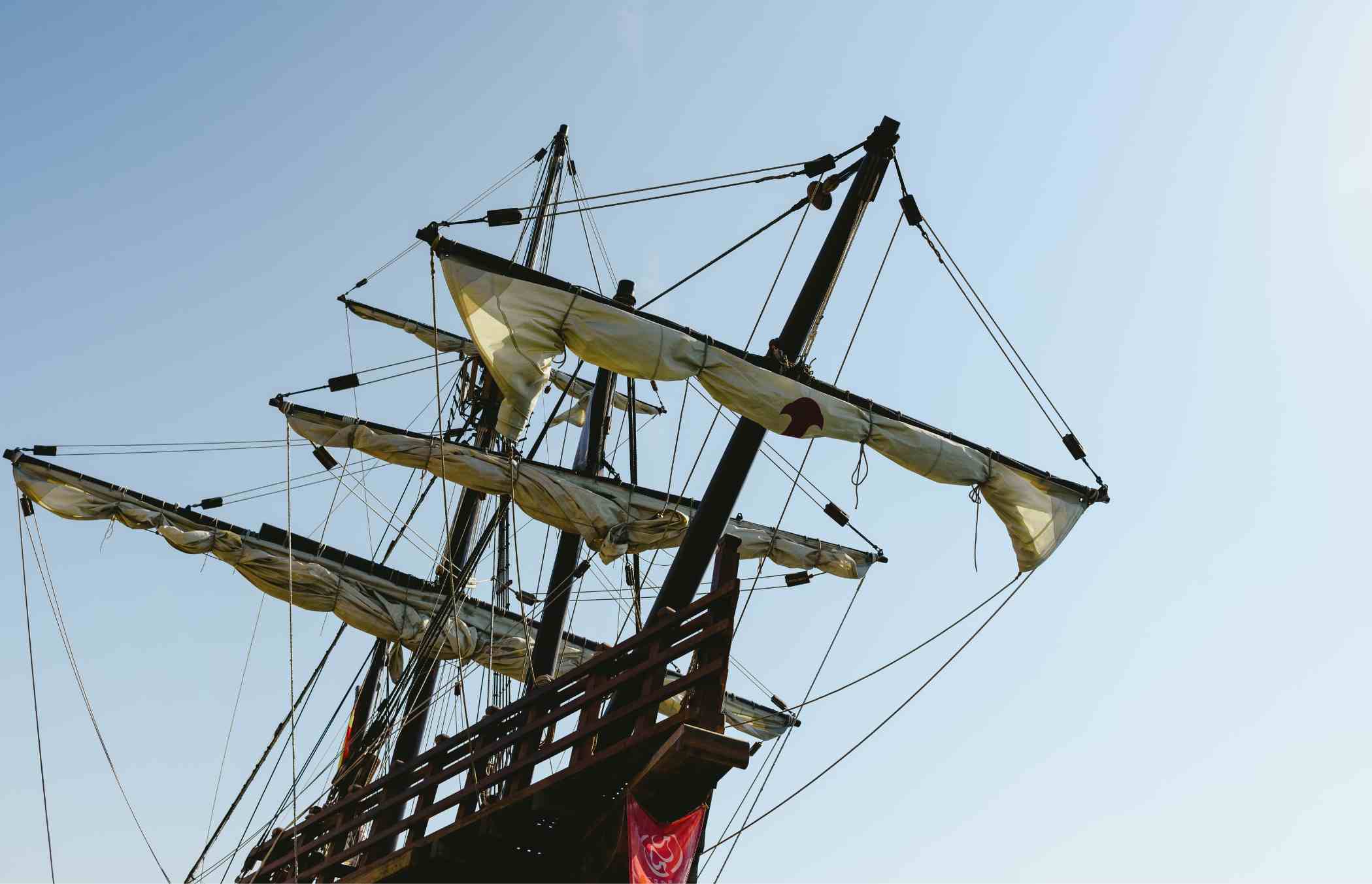
A sailor's life has always been wrapped in an aura of mystery and adventure, fed as much by historical accounts as by works of fiction. From tales of buried treasure to legends of sea monsters.

This article sets out to explore the preconceptions and the mythical figures that have shaped our understanding of life at sea, while shedding light on the realities of a sailor's daily existence. By separating myth from reality, we will uncover the true essence of maritime life: its challenges, its joys and the lessons it still teaches us.

Through this journey we will try to understand how fictional stories and characters have influenced our perception of the sea and of those who cross it, and so reveal how important these stories are to our culture and our education.

The myths of a sailor's life

The myths surrounding a sailor's life have shaped the collective imagination for centuries, creating a picture of life on the high seas that is often romantic and sometimes terrifying. These accounts, inherited from history, from literature and even from cinema, form the backdrop to epic adventures and larger-than-life characters. From tales of bold English pirates to Scandinavian sagas of fearless Vikings, every culture has helped enrich the pantheon of maritime myth.

The myths of a sailor's life are an integral part of maritime culture and have been shaped by centuries of stories, experience and tradition. They cover a wide range of subjects, from supernatural beliefs and legendary creatures to the superstitions and practices particular to life at sea. Here are some of the most famous myths and legends associated with a sailor's life.

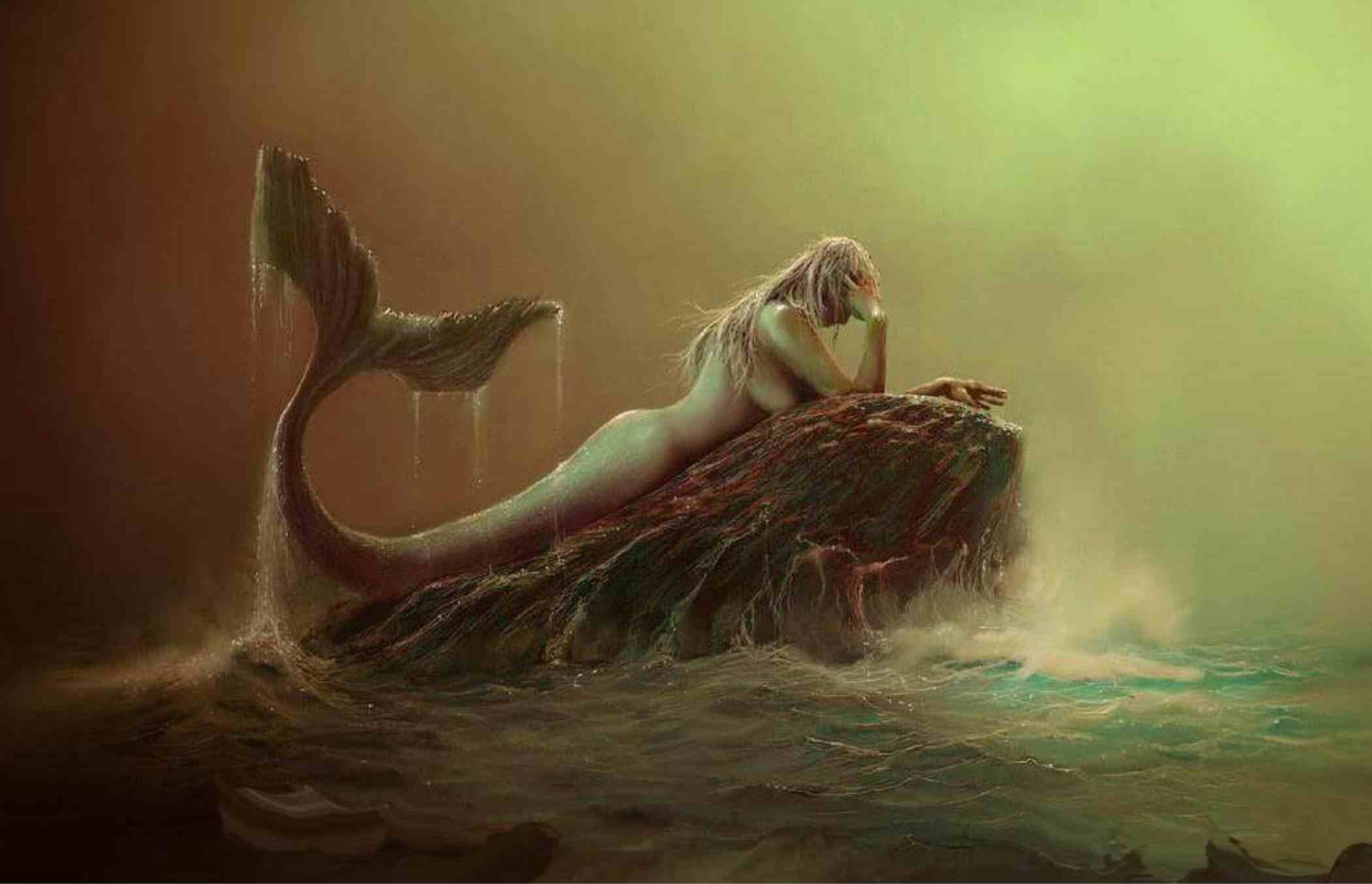
Mermaids

These half-woman, half-fish creatures are famed for their bewitching beauty and their seductive song, said to lure sailors to their doom. Mermaids have been a recurring theme in sailors' tales since antiquity.

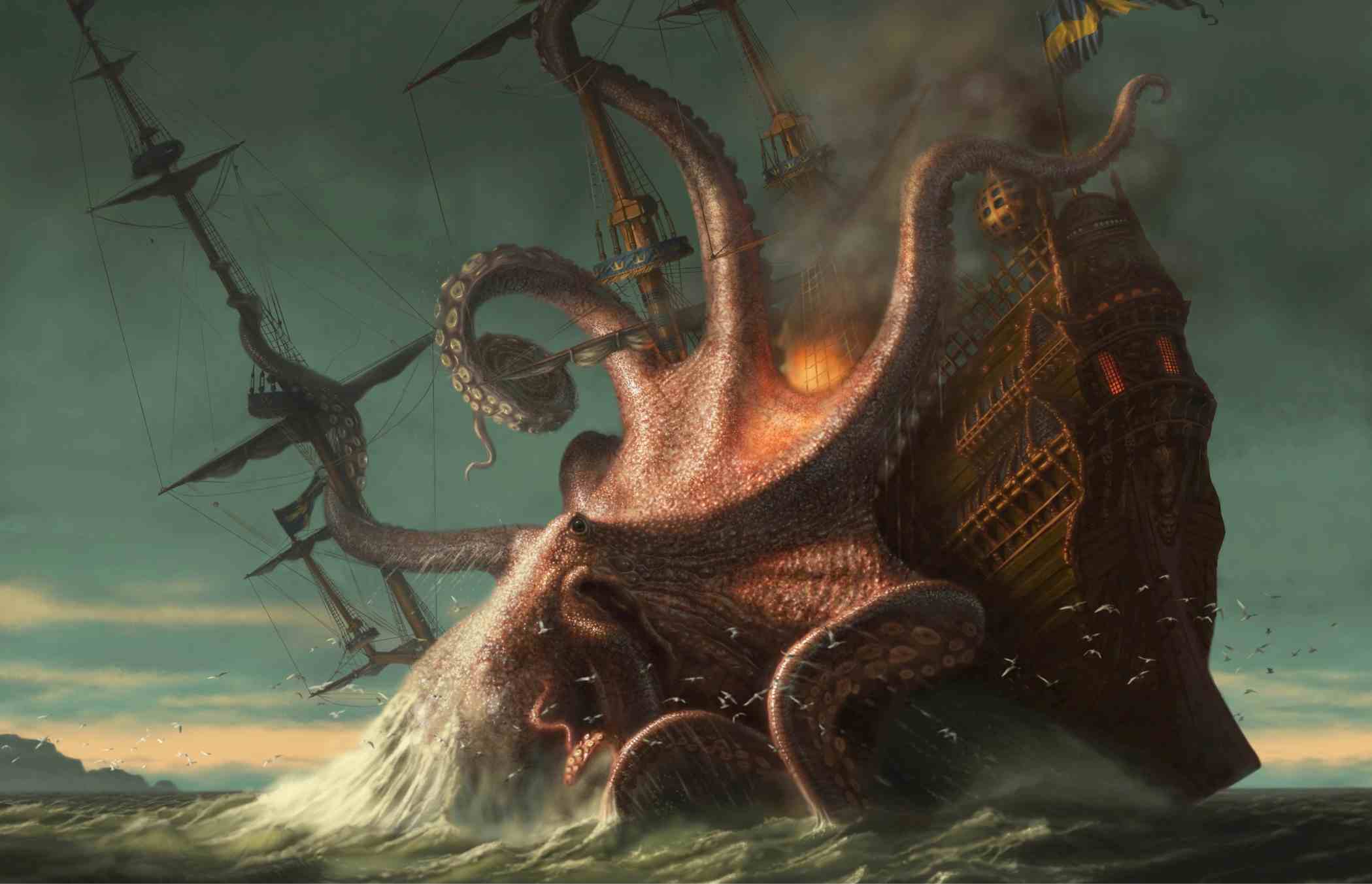
The Kraken

A gigantic monster resembling an octopus or a squid, the Kraken is said to rise from the depths to attack ships and swallow sailors whole. This myth is particularly widespread in Nordic and Scandinavian legend.

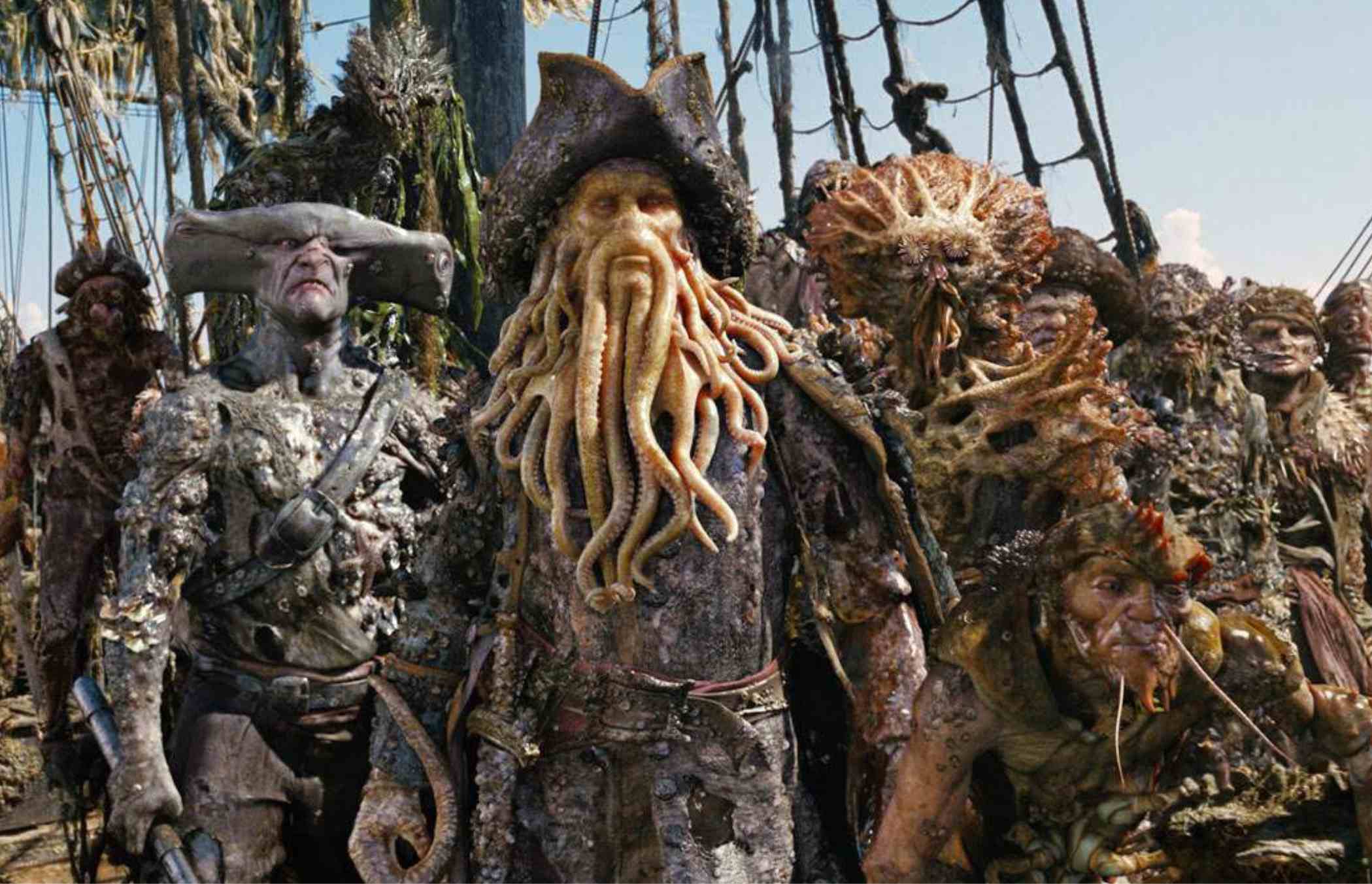
Davy Jones' Locker

This is a metaphorical expression for the bottom of the sea, where the wrecks of ships and the bodies of drowned sailors come to rest. "Davy Jones" is often taken to be the devil of the sea, and his "locker" stands for an eternal grave for those who perish at sea.

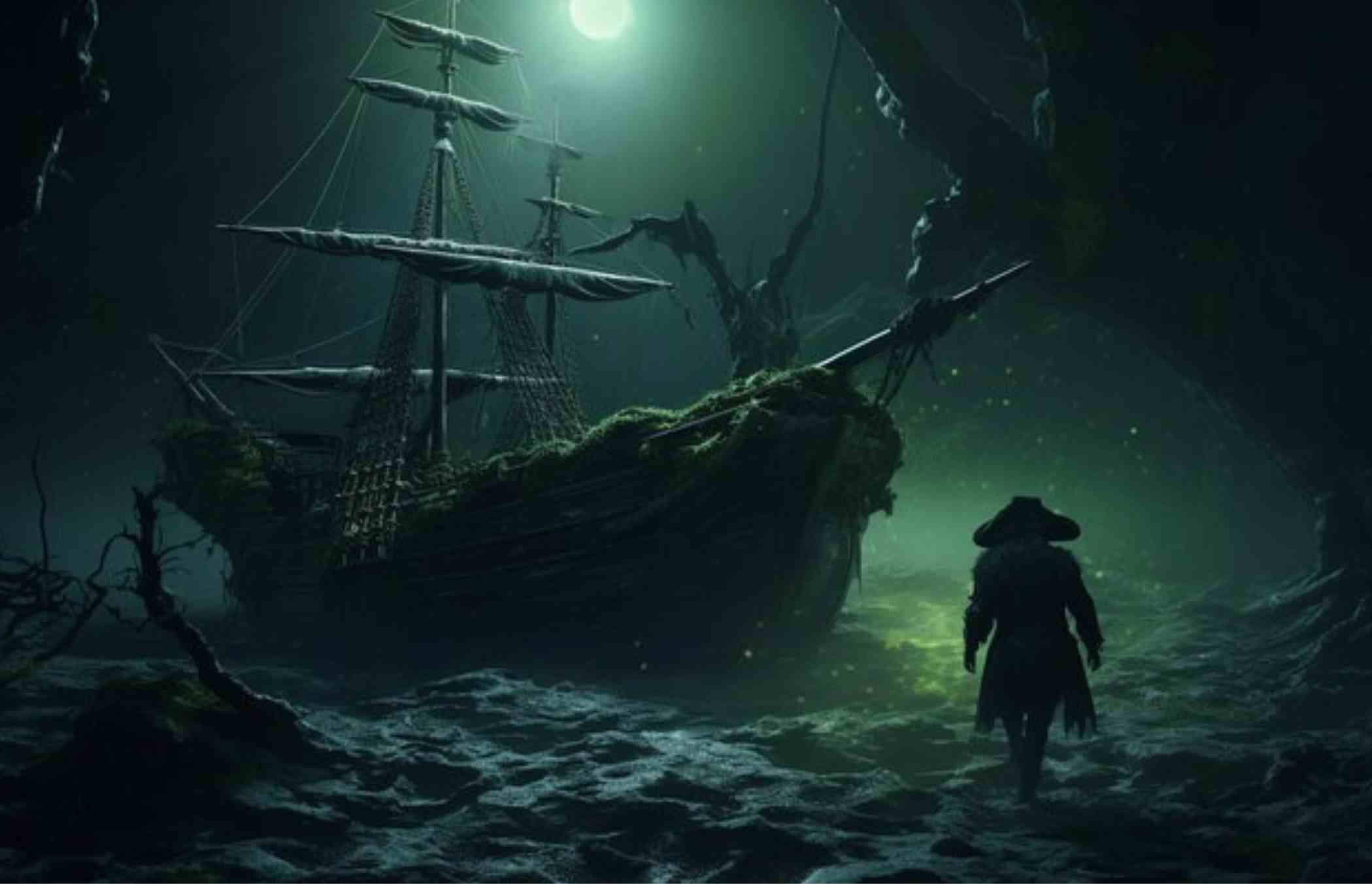
The ghosts of sailors

Stories of ghost ships and of sailors returning to haunt the living are widespread in maritime culture. The Flying Dutchman is one of the most famous ghost ships, condemned to sail the oceans for eternity.

Maritime superstitions

Sailors have always been deeply superstitious. Some beliefs hold that it is bad luck to begin a voyage on a Friday, that black cats on board bring good fortune, or that spilling salt can raise a storm.

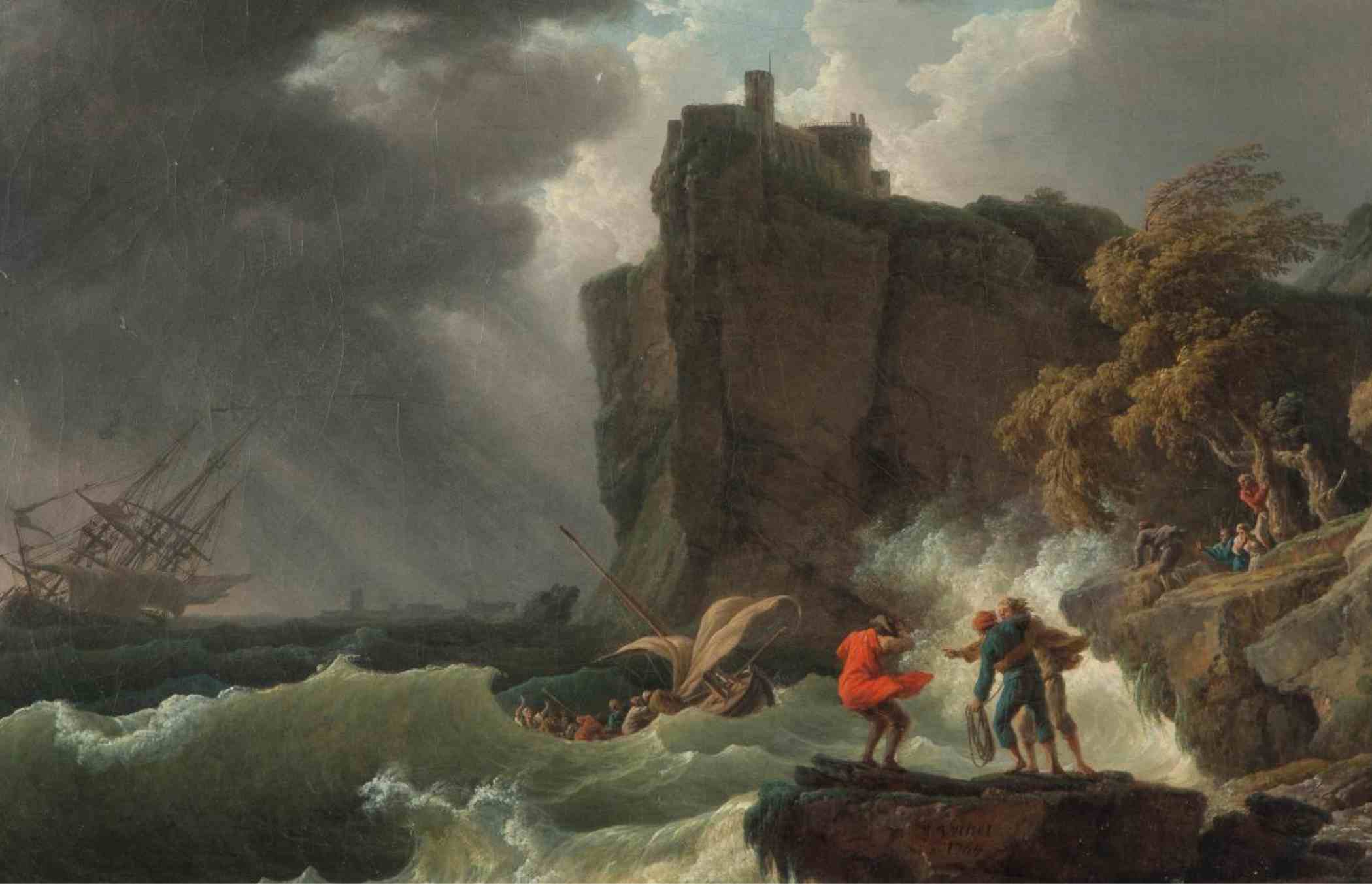
Mythical storms

Some parts of the world are known for their extreme weather and are often the subject of myth and legend. The Bermuda Triangle is a famous example, where ships and aircraft are said to vanish in mysterious circumstances.

The call of the sea

Many sailors believe in a mystical call of the sea, an unexplained force that draws them towards life at sea despite the dangers and the hardships.

These myths and legends — whether based on real events, exaggerated over time, or entirely fictional — play an important part in maritime culture, reflecting the hopes, the fears and the beliefs of the communities that live and work at sea.

Social impact

These stories, hugely entertaining though they are, often blur the line between reality and fiction, leaving the public with an idealised picture of a sailor's life. That blend of adventure and danger, of exploration and discovery, shapes our perception of the sea and of those who dare to sail it, setting up a fascinating but sometimes inaccurate frame for what life at sea really is.

The realities of a sailor's life

Unlike the idealised images carried by myth and adventure stories, real life aboard a ship is marked by daily challenges and by living conditions that demand strong resilience and rigorous preparation. Sailors face unpredictable weather, from violent storms to gigantic waves, testing their endurance and their ability to react quickly in a crisis. Life at sea also means living in close quarters with the crew for long periods, which calls for a strong capacity to adapt socially and to manage stress.

Separating fiction from reality

Separating fiction from reality in a sailor's life demands a close look at the accounts that have shaped our perception of that existence. Literature, our childhood, cinema and popular legend have often painted a romanticised, dramatised picture of the sea, full of adventure and freedom. These representations, captivating though they are, tend to simplify or embellish maritime experience, leaving aside the more routine and more demanding aspects of life at sea.

Sailors' stories and accounts

Analysing the war stories of legendary sailors and the epic accounts makes it clear that the reality of seafaring is far more nuanced. Sailors do face daily challenges and real dangers, and rigorous preparation is needed to navigate safely. The distinction between romantic fiction and the real conditions of life on board reveals how important maritime knowledge is, not only for the safety of crews but also for the preservation of the marine environment.

Genuine maritime adventure lies in the balance between respecting tradition and adapting to technological advances. It lies in the commitment to a profession that demands discipline, courage and a deep connection with the sea. By recognising the influence of fiction on our understanding of a sailor's life, we can better appreciate the reality of those who live at sea, and acknowledge their expertise and their dedication. Untangling these threads enriches our respect for the sea and for the complexity of the life it holds, while celebrating the spirit of adventure that characterises maritime exploration.

How literature and cinema created these ideas

English-language literature and cinema have been central to the creation and spread of maritime myth, shaping our idea of a sailor's life. Through novels and films they have built a romantic, adventurous picture of seafaring, blending reality with fiction.

Works such as the novel "Moby-Dick" and films such as "Pirates of the Caribbean" capture the imagination, presenting a life at sea full of adventure and freedom while often leaving out the more routine and demanding sides of the job.

These media do not merely glorify the myths, however: they also awaken curiosity and interest in the real challenges of the sea. By stirring a fascination with the sea, literature and cinema encourage a deeper exploration of the nature and the shape of a sailor's life, offering a way in to a more authentic and more respectful understanding of what seafaring really involves. They therefore play a double part, feeding the collective imagination while inviting us to separate fiction from maritime reality.

How myths shape real life

Maritime myths shape both aspirations and the perception of a sailor's life, drawing people towards the profession with romantic images of adventure and freedom. These idealisations can nonetheless obscure the rigorous, demanding realities of seafaring, and sometimes lead new sailors to disillusionment. Even so, for many people, meeting the truth strengthens their passion for the sea and encourages them to embrace the challenges as an integral part of the maritime experience.

The role of myths

As well as influencing individuals, myths play a crucial part in preserving maritime heritage and in promoting the importance of the sea in fields such as trade and conservation. They help sustain interest in careers at sea and raise the standing of the maritime profession with the wider public. So, despite the gap between imagination and reality, maritime myths have a significant impact, shaping aspirations and improving recognition of contemporary maritime issues.

Between myth and reality: the timeless legacy of a sailor's life

We began by identifying how the novel and the cinema have helped forge the myths surrounding life at sea, creating captivating narratives that inspire even as they blur the line between fiction and reality. These stories have shaped the collective imagination, presenting a sailor's life full of adventure, hidden treasure and freedom.

We then set those myths against the realities of every seafarer's life, underlining the physical and mental demands and the discipline and rigour that each day requires. Training and education turn out to be crucial, dismantling the idea of a profession open to anyone without preparation. The daily reality of sailors — hard work, constant challenge and personal sacrifice — contrasts sharply with the idealised images that popular accounts so often carry.

We also discussed the influence of these myths on individual aspirations and on public perception, showing how, despite their inaccuracies, they play a positive part by stirring people's interest in the sea and raising the standing of the maritime profession. These accounts contribute to preserving maritime heritage and to raising awareness of contemporary issues connected with the sea.

In conclusion: although maritime myths embellish reality, their impact goes well beyond simple storytelling, shaping aspirations, training and the perception of life at sea. Understanding this dynamic between myth and reality is essential to appreciating the complexity and the beauty of maritime life, and it underlines how much a balanced perspective matters — one that recognises both the dreams these accounts inspire and the fundamental truths of the maritime profession.
Comments (0)

No comments at this moment
Product added to wishlist
Product added to compare.