
Your cart
There are no more items in your cart
- News
- 0 likes
- 2751 views
- 0 comments
The world's legendary lighthouses: guardians of the sea and of time
Lighthouses, those majestic towers raised along the coast, are silent witnesses to the maritime history of the world. For centuries they have guided sailors through turbulent waters, protecting them from the dangers hidden beneath the waves. These monuments, often perched on steep rock, are far more than simple landmarks: they are the guardians of the sea and of time, watching over the oceans day and night.
One notable example is the museum of lighthouses and beacons on the island of Ushant, which focuses on maritime signalling and on how lighthouse technology evolved. The museum displays historical objects, models and first-hand accounts of the keepers' lives, underlining how important these structures were to navigation at sea.
In this article we look at some of the most legendary lighthouses in the world, shedding light on their history, their function and their impact on culture and world heritage.
The world's legendary lighthouses
Cordouan lighthouse (France)
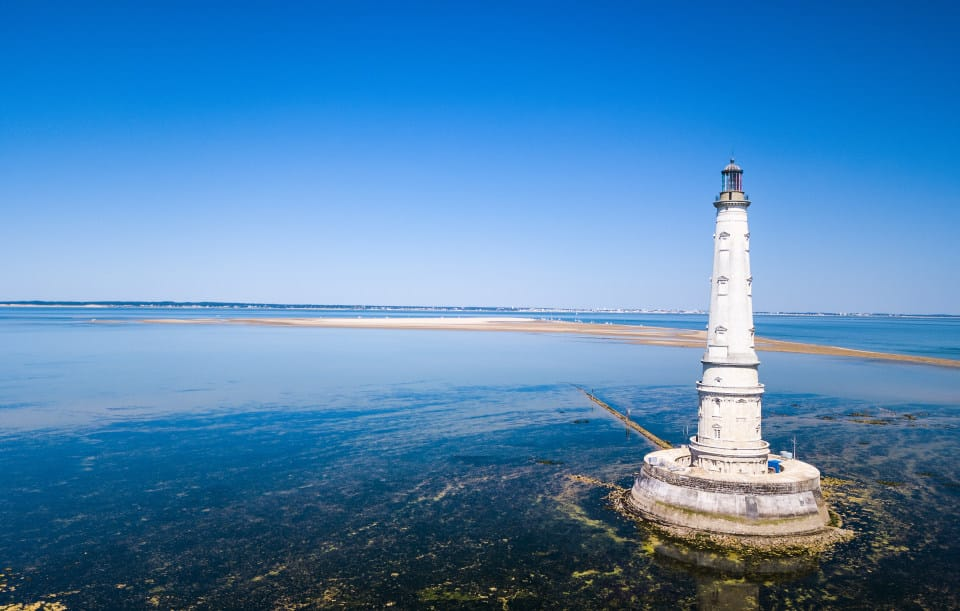
Cordouan lighthouse, nicknamed "the king of lighthouses", stands at the mouth of the Gironde estuary in France. Built between 1584 and 1611, it is an architectural masterpiece and a witness to French maritime history. With its stone walls and its majestic staircase, it is listed as a UNESCO World Heritage site. This lighthouse has guided countless sailors across the Atlantic and remains an unshakeable sentinel in the face of waves and storms.
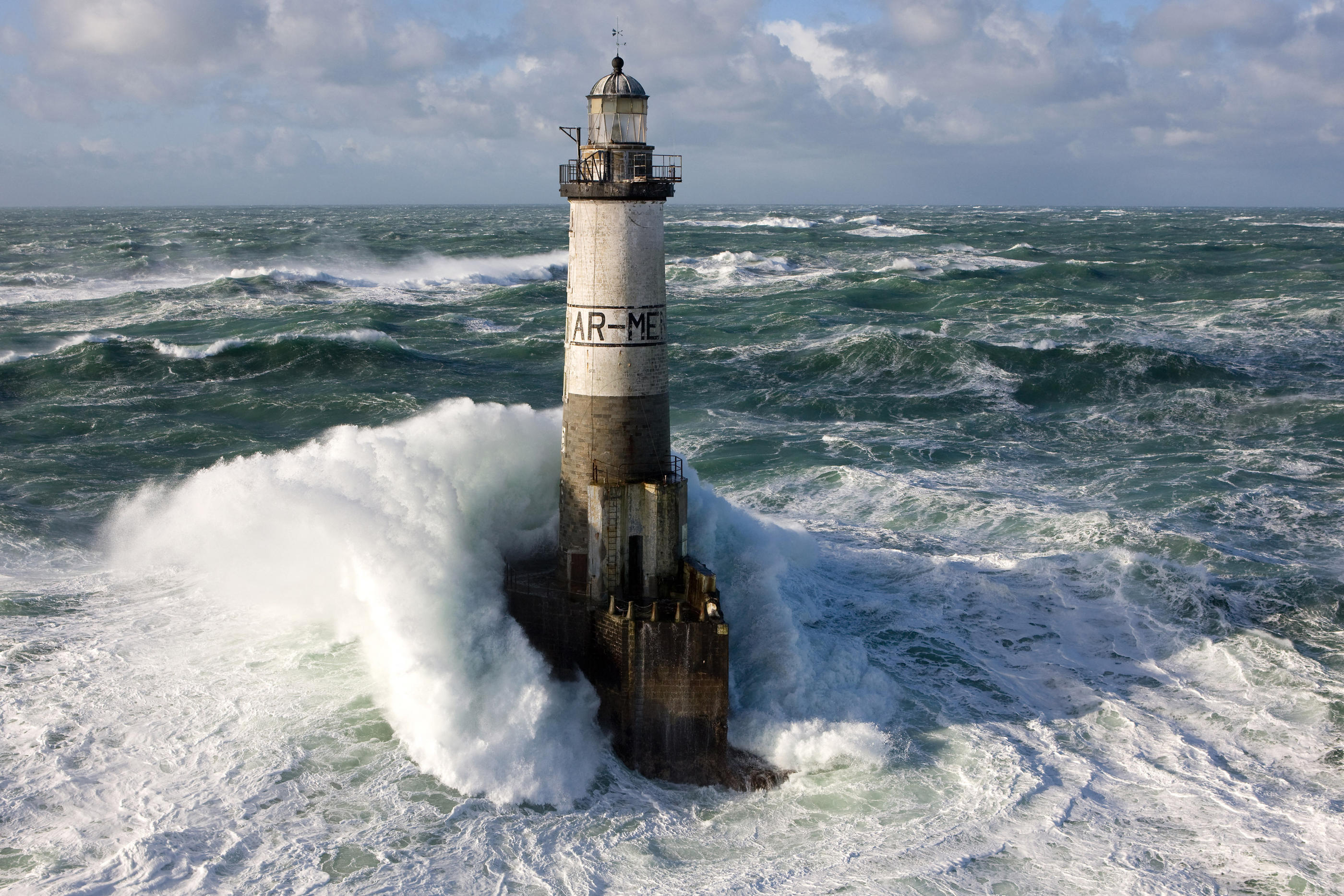
Ar-Men and the other Breton lighthouses (France)
Ar-Men, nicknamed "the Hell of Hells" because of its perilous position on an isolated rock out at sea, is one of the most famous lighthouses in Brittany. Standing at the far end of the Chaussée de Sein, it watches over an area feared for its violent currents and its dangerous reefs.
La Jument lighthouse (France)
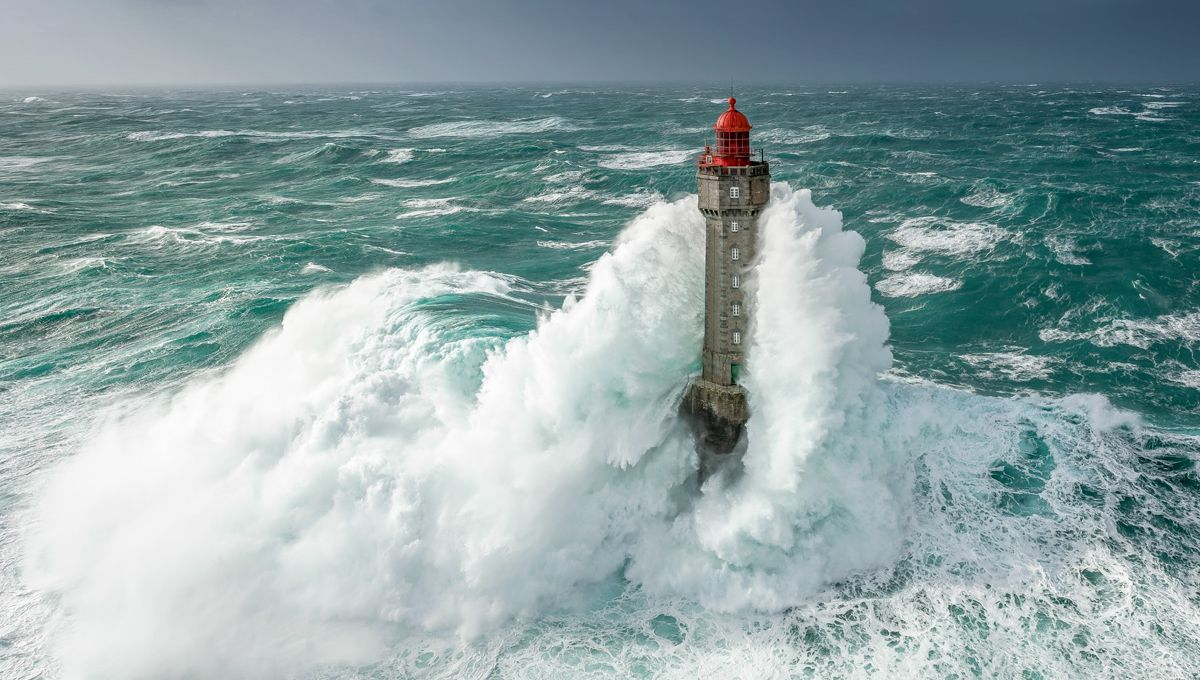
La Jument lighthouse, off Ushant in Brittany, was raised on a rock battered by Atlantic waves. Built of granite, it is famous for withstanding the most violent storms. This emblematic lighthouse stands for humanity's ceaseless struggle against the forces of nature, offering a precious light to sailors navigating these dangerous waters. Its image, captured by the photographer Jean Guichard, has become an icon of human resilience and tenacity.
Pointe du Raz lighthouse (France)
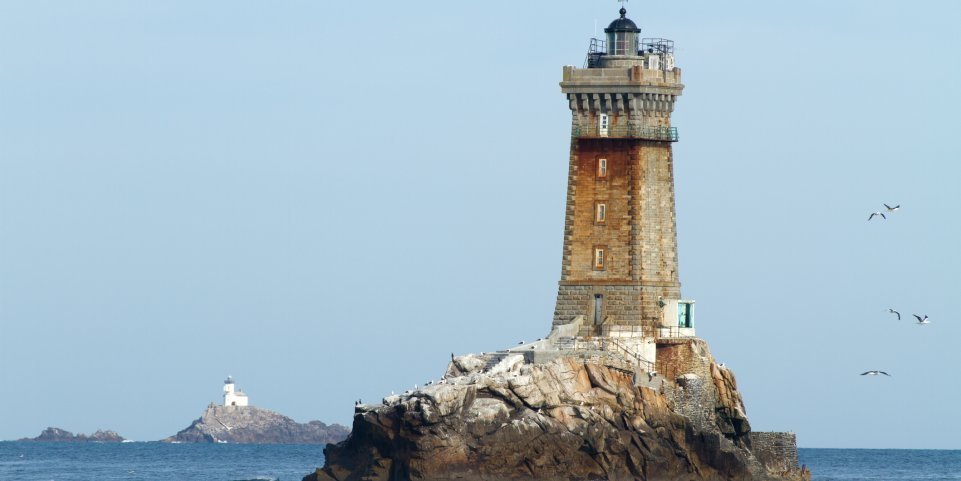
The Pointe du Raz lighthouse, in Finistère, is an emblem of the Breton coast. Overlooking a wild and spectacular landscape, it guides sailors through the turbulent waters of the Atlantic. Its strategic position on one of the westernmost points of France makes it an essential landmark for navigation. Built to withstand the assault of waves and storms, the Pointe du Raz lighthouse embodies the robustness and the beauty of Brittany's lighthouses.
Eddystone lighthouse (United Kingdom)
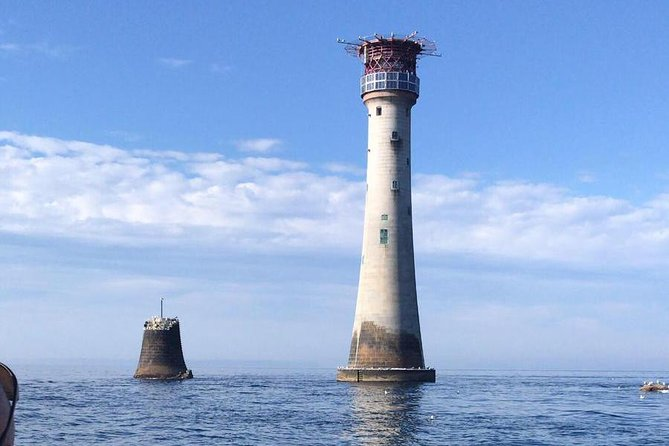
Eddystone lighthouse stands off the coast of Cornwall, in England. This historic lighthouse is notable for being the first to use the Fresnel lens, a revolutionary innovation that considerably improved the visibility of its light. Raised on a rock out at sea, it has been rebuilt several times because of the extreme conditions of its position. Eddystone lighthouse is a symbol of human ingenuity and determination in the face of the challenges nature sets, and it has played a crucial part in maritime safety for centuries.
Bell Rock lighthouse (Scotland)
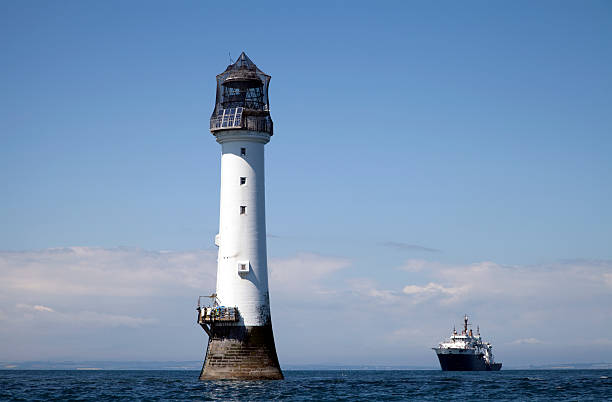
Bell Rock lighthouse stands on a submerged reef in the North Sea, off the Scottish coast. Built at the beginning of the nineteenth century, it is recognised as the oldest sea-washed lighthouse still in service. Its imposing structure and its perilous position bear witness to the ingenuity and the courage of the engineers and workers of the time. Withstanding the extreme conditions of the North Sea, Bell Rock lighthouse continues to guide ships safely, embodying a precious maritime legacy and a feat of architecture and endurance.
Peggy's Cove lighthouse (Canada)
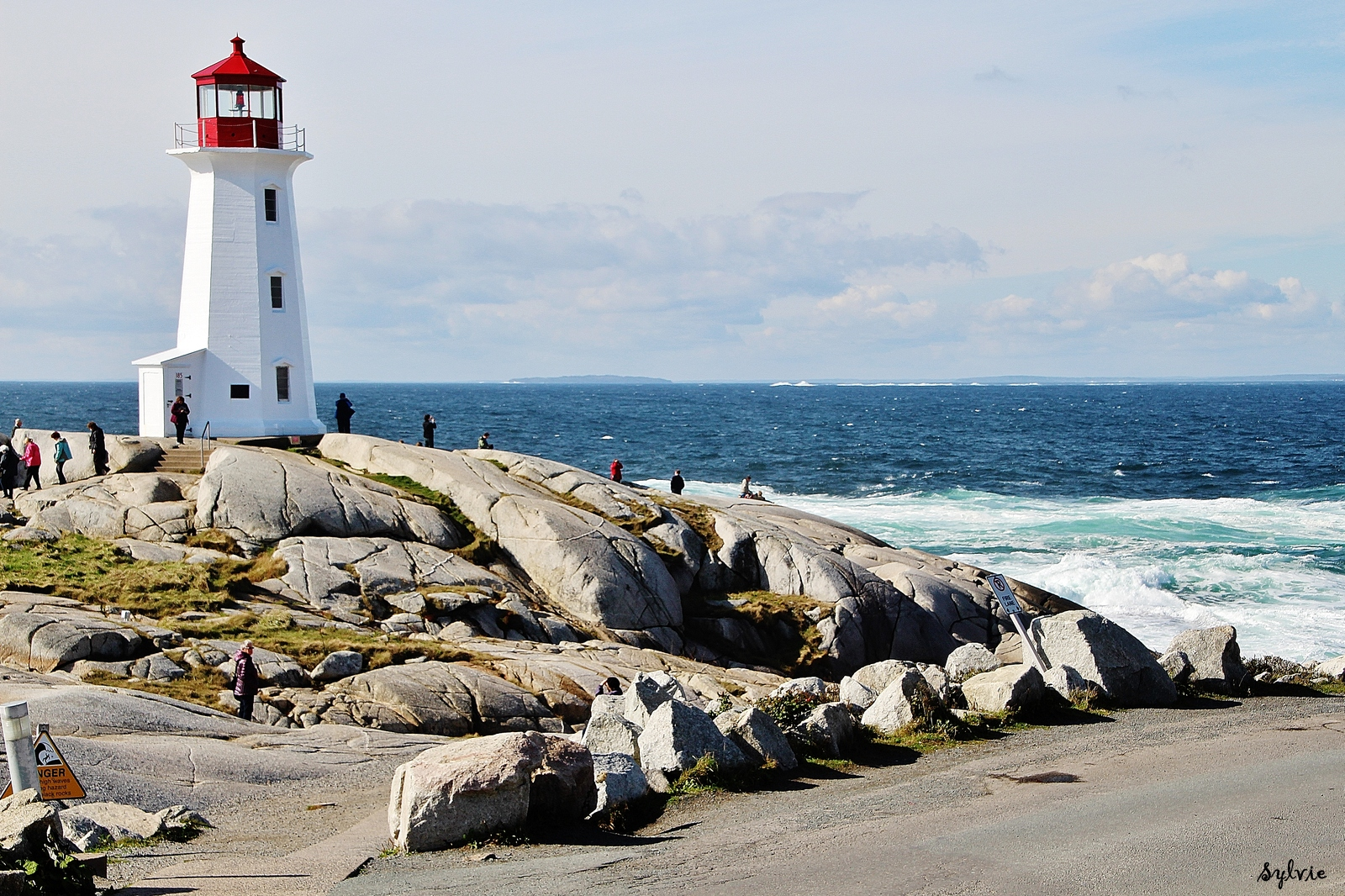
Peggy's Cove lighthouse stands in Nova Scotia, Canada. This picturesque lighthouse is an emblematic symbol of the Canadian coastline and draws thousands of visitors every year. Nestled on granite rock, it offers spectacular views over the Atlantic and embodies the wild beauty of Canada's east coast. As well as its crucial role in navigation, Peggy's Cove lighthouse is a genuine photographic icon, representing both the serenity and the power of Canadian nature.
Cape Hatteras lighthouse (United States)
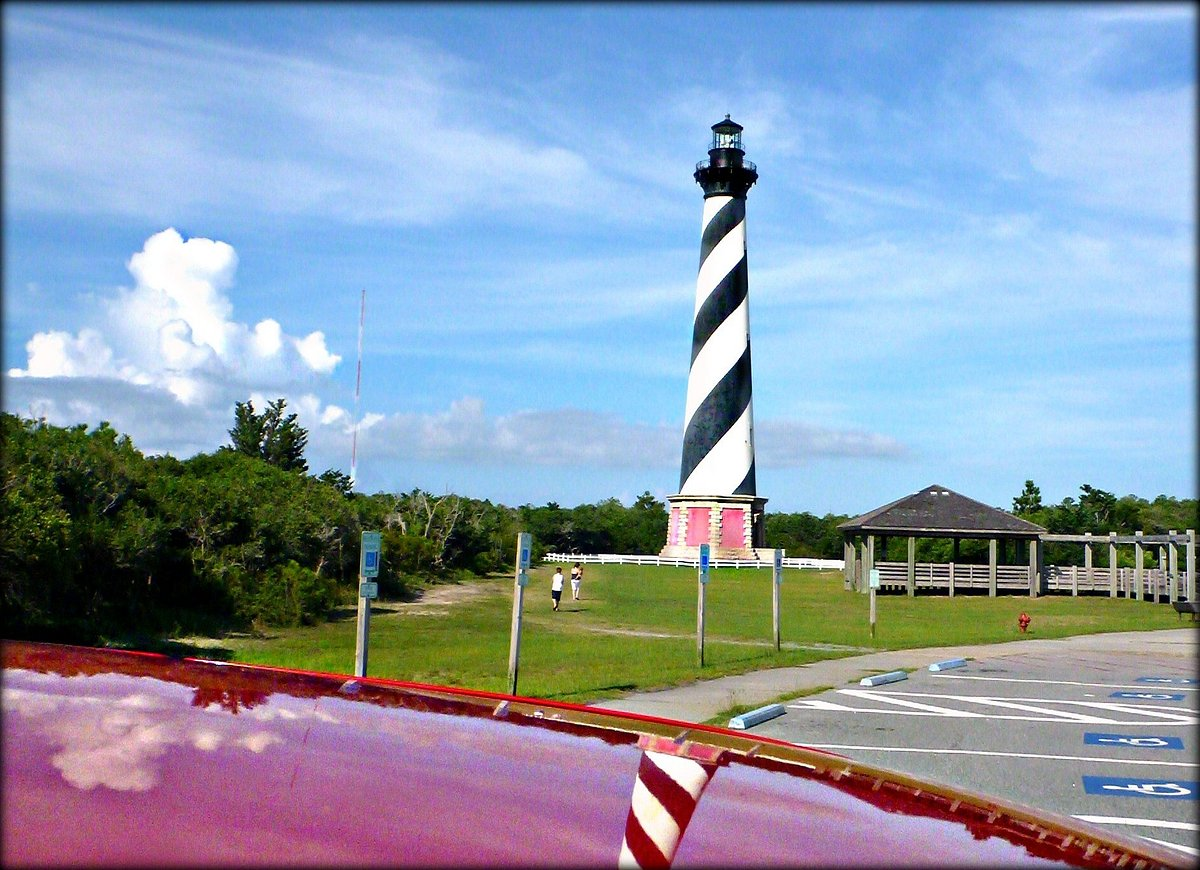
Cape Hatteras lighthouse, in North Carolina, is one of the most recognisable lighthouses in the United States, with its distinctive black-and-white stripes. Built in 1870 to guide ships through the dangerous waters of the Outer Banks, it is the tallest brick lighthouse in the United States, standing 63 metres high.
An emblematic symbol of the American east coast and a major tourist attraction, it draws many visitors fascinated by its history and its unique architecture. Moved in 1999 to escape coastal erosion, it remains a testament to human ingenuity in the face of nature's challenges.
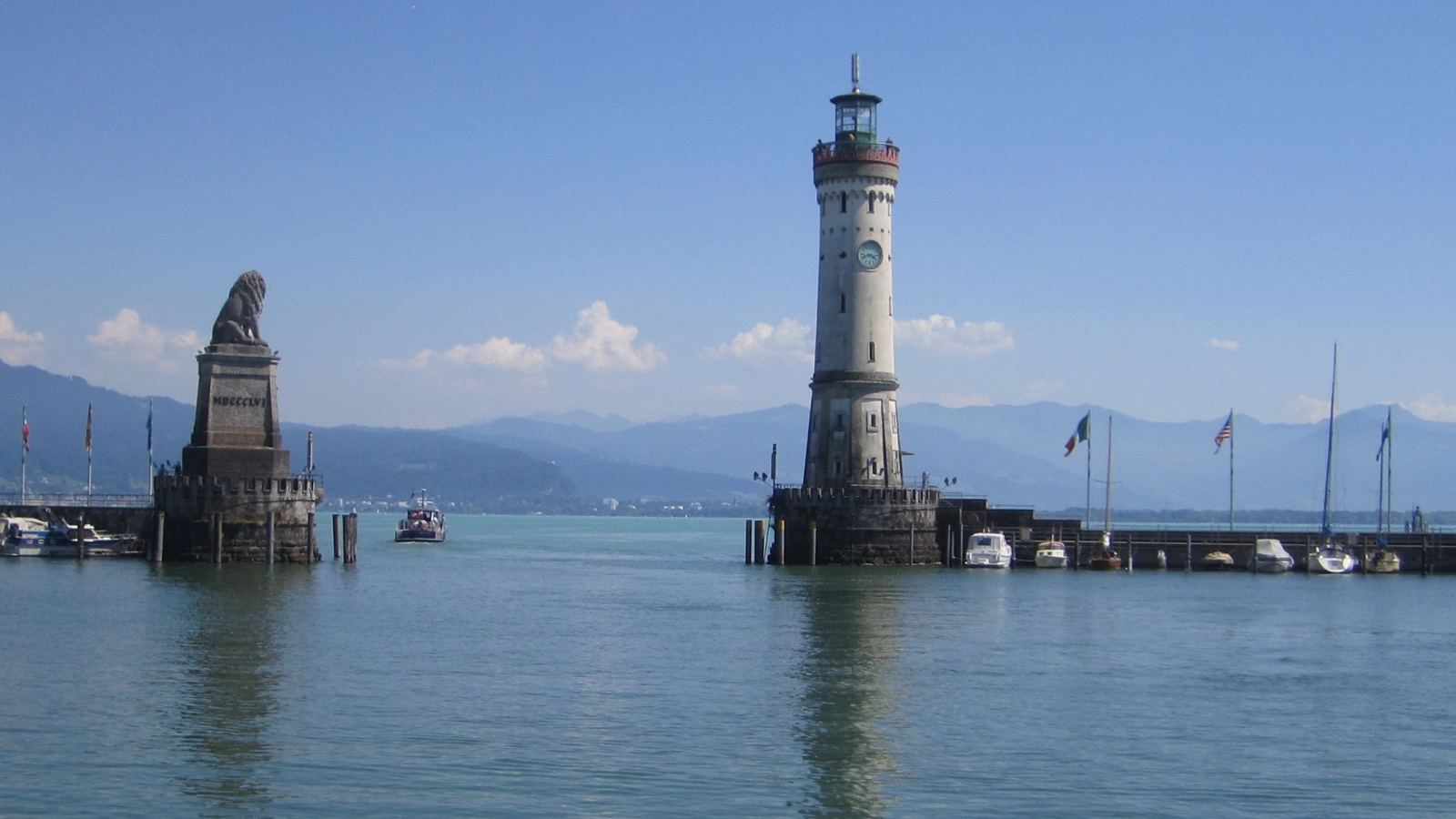
Lindau lighthouse (Germany)
Lindau lighthouse stands on the picturesque shores of Lake Constance, in Germany. Unique of its kind, it is the only lighthouse in Bavaria. Built in 1856, it is about 33 metres high and offers an unrivalled view over the lake and the surrounding Alps.
As well as guiding vessels on the lake, Lindau lighthouse is a historic and cultural symbol of the town of Lindau. Its elegant structure and its idyllic setting make it a popular tourist attraction, drawing visitors eager to discover its charm and its fascinating history.
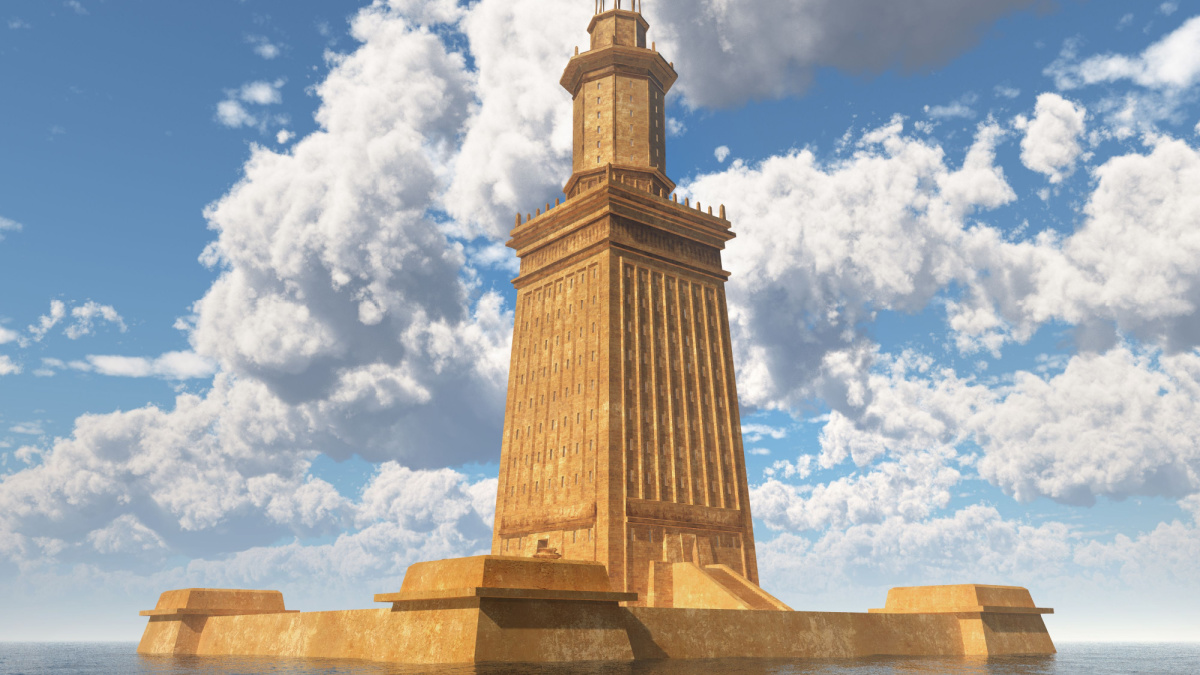
The Lighthouse of Alexandria (Egypt)
The Lighthouse of Alexandria, also known as the Pharos of Alexandria, was one of the Seven Wonders of the Ancient World. Built on the island of Pharos in the third century BC, it guided sailors making for the port of Alexandria, one of the most important of its day.
This majestic monument, which reached about 120 metres in height, was an engineering feat for its time. It used a fire at its summit to emit light and a mirror to amplify it, making the lighthouse visible for miles around. The Lighthouse of Alexandria was sadly destroyed by a series of earthquakes between the fourteenth and fifteenth centuries, but its legacy endures, a symbol of the ingenuity and technological advancement of ancient Egypt.
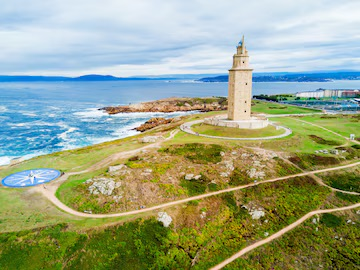
The Tower of Hercules (Spain)
The Tower of Hercules, in Galicia, Spain, is the oldest Roman lighthouse still in operation. Built in the first century under the emperor Trajan, it has crossed the ages to become a symbol of Roman durability and ingenuity.
Standing about 55 metres high, this emblematic lighthouse looks out over the Atlantic and has guided ships for nearly two millennia. Listed as a UNESCO World Heritage site, the Tower of Hercules is not only a working lighthouse but also an important historic and tourist site, drawing visitors fascinated by its history and its remarkable endurance through the centuries.
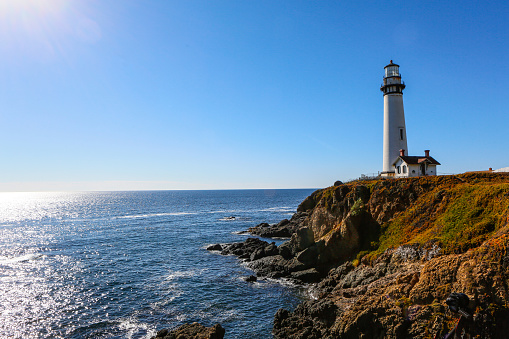
Pigeon Point lighthouse (United States)
Pigeon Point lighthouse stands on the Californian coast, near Pescadero. Built in 1871, it is famous for its emblematic white tower, which rises about 35 metres, making it one of the tallest lighthouses on the west coast of the United States.
This historic lighthouse continues to guide ships along the rugged coast of California. As well as its navigational function, Pigeon Point lighthouse is a much-loved tourist destination, offering spectacular views over the Pacific Ocean and an immersion in the maritime history of the region.
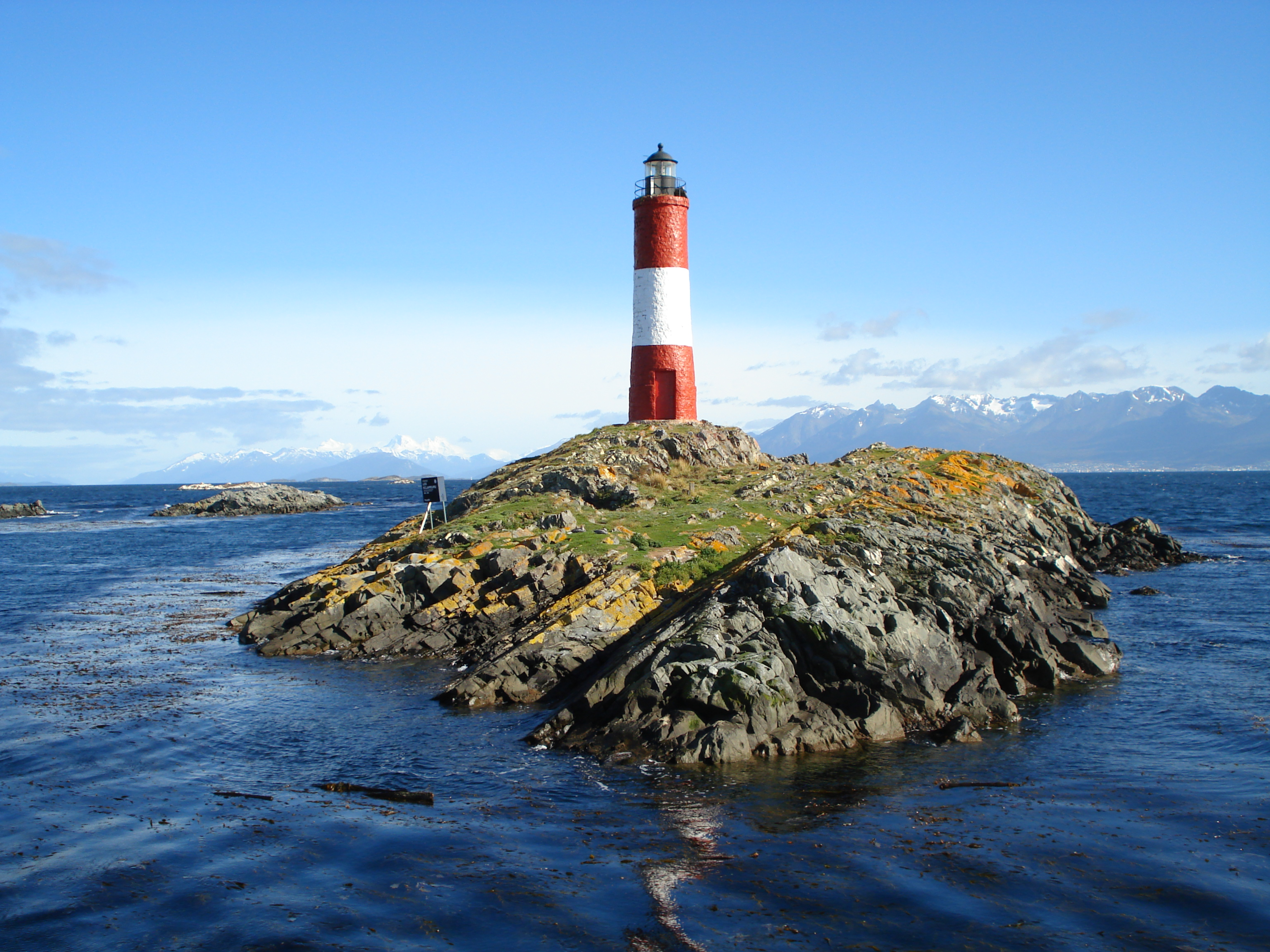
Les Éclaireurs lighthouse (Argentina)
Les Éclaireurs lighthouse stands at Ushuaia, in Tierra del Fuego, at the far south of Argentina. Known as "the lighthouse at the end of the world", it marks one of the southernmost points reachable by ship before Antarctica.
Built in 1920, this lighthouse rises from a rocky islet in the Beagle Channel and stands about 11 metres high. Its isolated position and its spectacular setting make it a symbol of adventure and exploration. Les Éclaireurs lighthouse continues to guide ships through these remote waters, embodying the indomitable spirit of Tierra del Fuego.
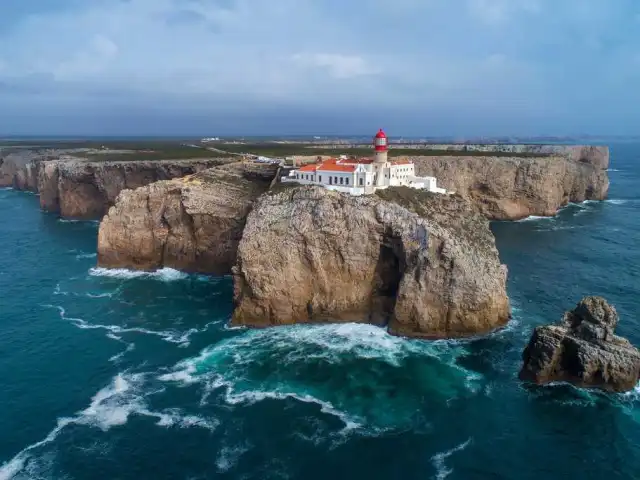
Cabo de São Vicente lighthouse (Portugal)
The Cabo de São Vicente lighthouse, near Sagres in Portugal, stands at the south-western tip of Europe. Perched on spectacular cliffs overlooking the Atlantic, it offers breathtaking panoramic views and plays a crucial part in maritime safety.
Built in 1846 on the ruins of a monastery, this 28-metre lighthouse is fitted with a Fresnel lens. It guides ships along the Portuguese coast and draws visitors from all over the world, fascinated by its history and its natural beauty.
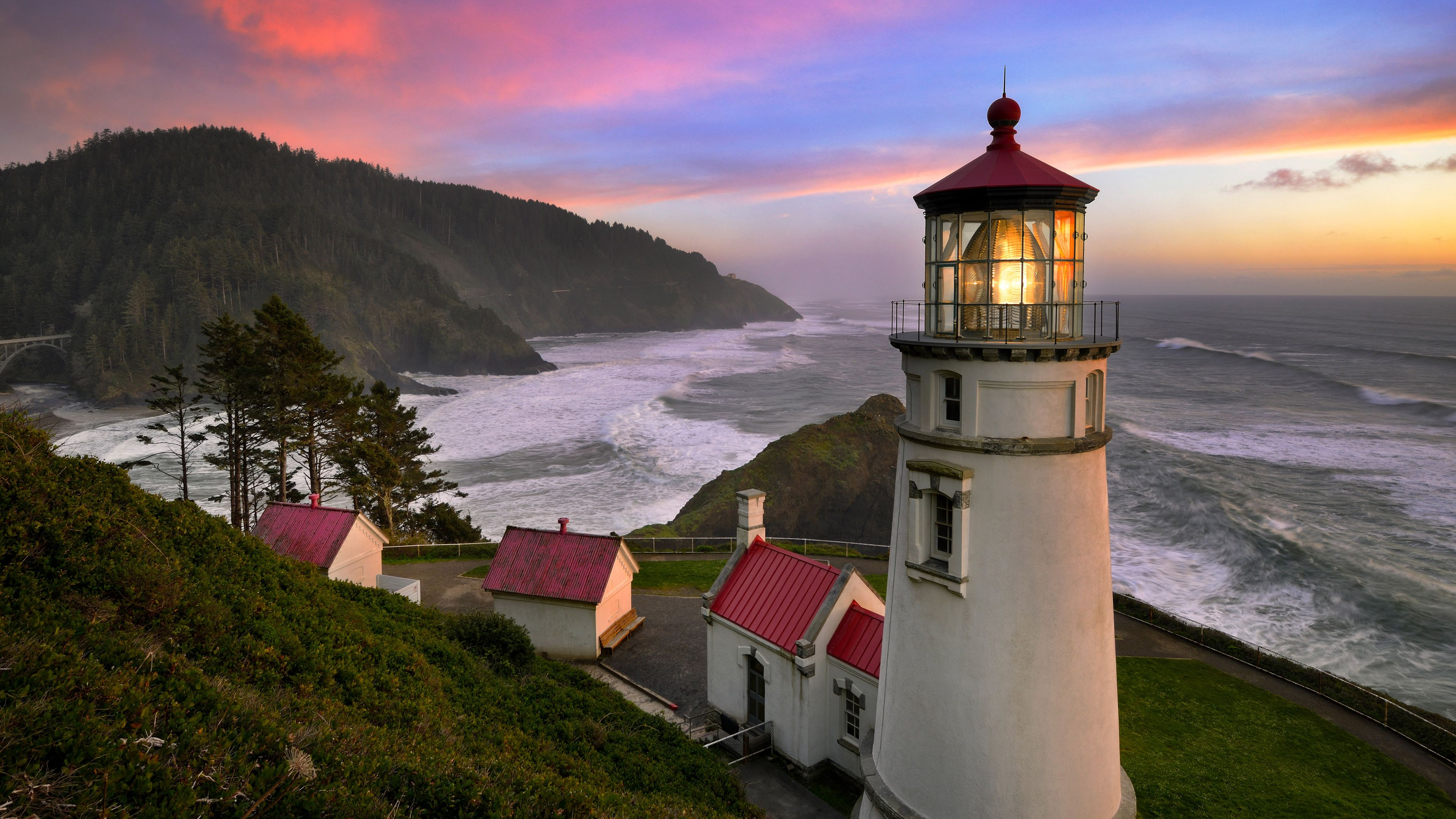
Heceta Head lighthouse (United States)
Heceta Head lighthouse, on the Oregon coast near Florence, is renowned for its picturesque position on a cliff overlooking the Pacific Ocean. Built in 1894, it offers spectacular views over the coast and the surrounding waters.
With its emblematic white tower and its Fresnel lens, it continues to guide ships along the rugged Oregon coast. As well as its maritime function, the lighthouse draws many visitors and photographers, making Heceta Head a favourite destination for its maritime history and its breathtaking landscapes.
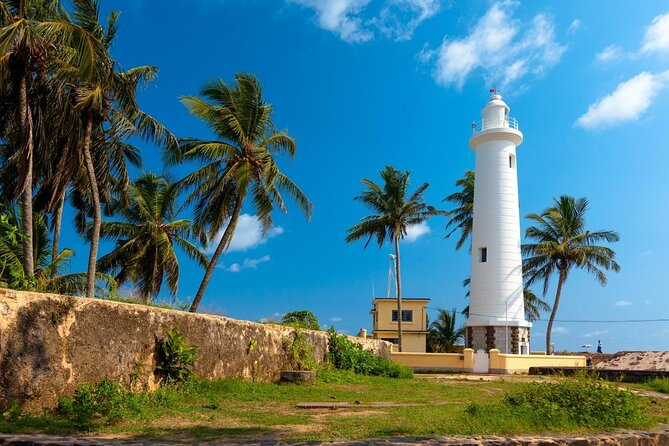
Galle lighthouse (Sri Lanka)
Galle lighthouse stands within the walls of Galle Fort, on the south-west coast of Sri Lanka. Built in 1939, it replaced an earlier structure dating from 1848 that was destroyed by fire. It is renowned for its colonial architecture, a reflection of British influence in the region.
Perched at the far end of the historic fort, Galle lighthouse rises about 26.5 metres and guides ships sailing the Indian Ocean. As well as its essential navigational function, the lighthouse is a popular tourist attraction, offering panoramic views over the sea and over the ancient fortifications of Galle Fort, a UNESCO World Heritage site.
Jeddah lighthouse (Saudi Arabia)
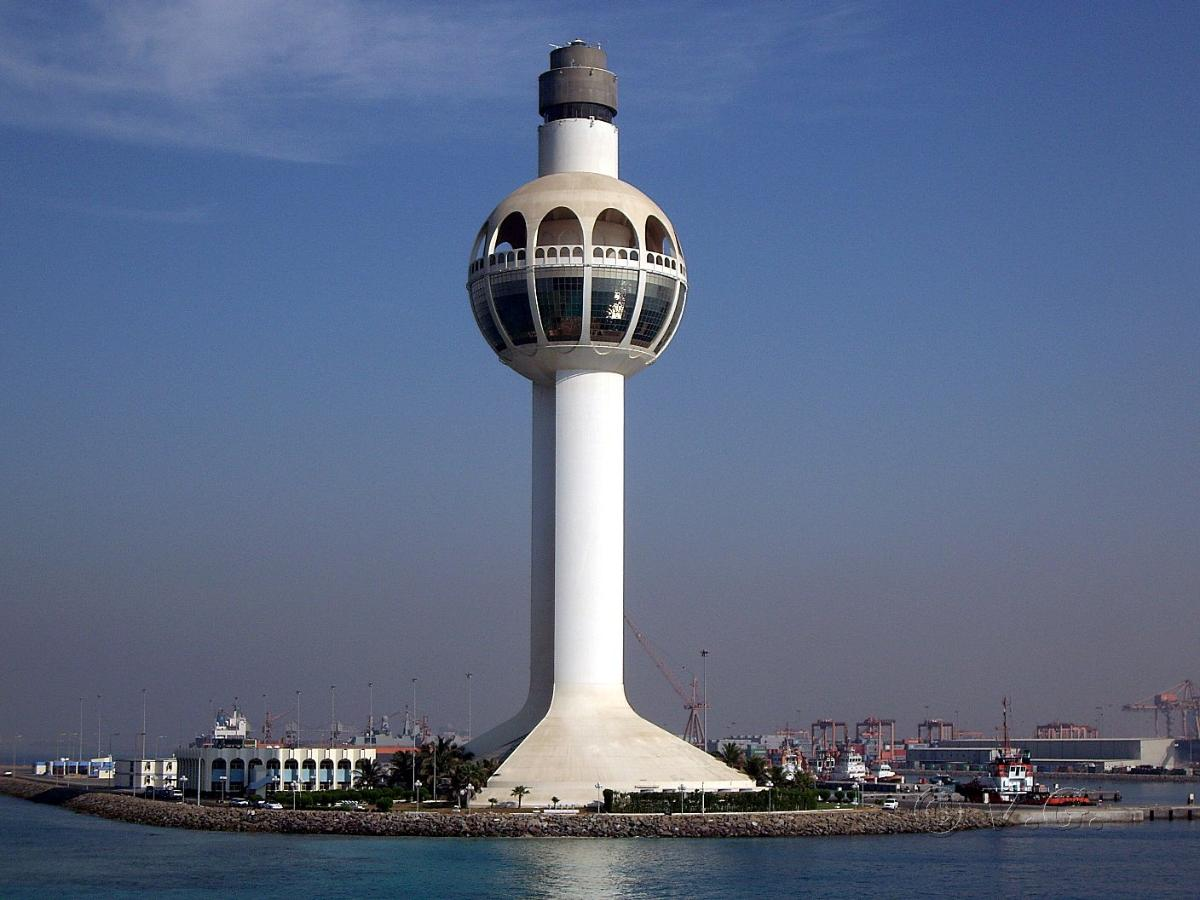
Jeddah lighthouse, in the port of Jeddah in Saudi Arabia, is the tallest lighthouse in the world. Raised in 1990, this modern lighthouse reaches an impressive height of 133 metres, surpassing every other lighthouse in existence.
Its distinctive structure and its strategic position make it a crucial element of navigation in the Red Sea. Jeddah lighthouse guides ships into one of the busiest ports in the Middle East, supporting trade and maritime safety. As well as its practical function, this emblematic lighthouse is a symbol of the region's innovation and rapid development.
These lighthouses are not only essential navigational aids but also historic and cultural monuments that tell fascinating stories of the seas and of those who sailed them.
The function and architecture of lighthouses
The role and function of lighthouses
The primary function of a lighthouse is to guide ships at sea, signalling dangers and marking safe passages. Thanks to their powerful light and their strategic position, they allow sailors to navigate safely, avoiding reefs and dangerous coasts. Every lighthouse has a unique light signature, which lets navigators work out their exact position at sea. This technology, simple though it appears, has saved countless lives over the centuries.
Architecture and construction
The architecture of lighthouses is as varied as their locations. Built mainly of stone or granite, these structures have to withstand the most extreme weather conditions. The cylindrical shape of many lighthouses reduces the pressure exerted by waves and wind, increasing their durability. Inside, a lighthouse is often fitted with a spiral staircase leading to the top, where the Fresnel lens sits — a revolutionary invention that amplifies the light of the lamp so that it can be seen for miles around.
Lighthouse keepers: the men and the legends
The life and work of lighthouse keepers
Lighthouse keepers played an essential part in the history of lighthouses. Isolated on rocks or islands, often in extremely difficult conditions, they watched over the light, making sure it stayed lit and in working order. Their work was not only technical but carried great responsibility, since the safety of sailors depended on their vigilance. The accounts these keepers left reveal a life of self-denial, courage and solitude, sometimes shared with families living on site.
Legends and stories around lighthouses
Lighthouses are surrounded by many fascinating legends and stories. From the Pointe du Raz to Ushant, every lighthouse has its own accounts of shipwrecks, heroic rescues and mysteries. Jules Verne often drew on these stories in his work to build captivating narratives. The photographer Jean Guichard immortalised dramatic moments, such as the keeper of La Jument lighthouse caught out by a giant wave. These legends and stories enrich the intangible heritage of lighthouses, turning them into monuments of collective memory.
Lighthouses and history
Lighthouses and maritime history
Lighthouses have always been crucial elements of maritime history, particularly in France. These stone towers, raised along the coast, served as unfailing guides for sailors, helping them navigate safely and avoid treacherous reefs and the rocks hidden beneath the waves. From their earliest construction, lighthouses evolved to meet the growing needs of navigators. The first lighthouses, simple stone towers giving off a faint light, were gradually fitted with more powerful lamps and sophisticated rotating systems, increasing both their range and their effectiveness.
In times of conflict, lighthouses also played a strategic part as observation posts, allowing the movements of enemy ships to be watched and the authorities alerted in case of imminent attack. Today, although modern technology has taken over many of the traditional functions of lighthouses, these monuments remain living symbols of France's maritime history. They continue to keep sailors safe while drawing visitors fascinated by their history and their majestic architecture.
Lighthouses and culture
Lighthouses in literature and the arts
Lighthouses have inspired many writers and artists over the centuries. In literature, authors such as Jules Verne wove lighthouses into their adventure stories, underlining their mystery and their symbolic importance. In the visual arts, photographers such as Jean Guichard have captured the beauty and the power of lighthouses in full storm, producing spectacular images that testify to their majesty and their resistance. These artistic representations have fed the popular fascination with lighthouses, raising them to the rank of cultural and historic symbols.
World heritage and the protection of lighthouses
As historic monuments, lighthouses benefit from various forms of heritage protection. Cordouan lighthouse, for instance, is inscribed on the UNESCO World Heritage list because of its historic and architectural importance. Many other lighthouses in France and around the world are protected by national laws aimed at preserving their integrity and maintaining their role as maritime sentinels. These conservation efforts guarantee that lighthouses will go on playing their crucial part while being recognised as treasures of world heritage.
Lighthouses and the environment
Lighthouses and nature conservation
Lighthouses, often set in isolated and ecologically sensitive places, play a paradoxical part in nature conservation. Although their presence can bring light pollution and disturb natural habitats, they can also serve as refuges for local wildlife. The islands and coasts on which lighthouses are built are often home to rare and endangered species, turning these places into genuine natural sanctuaries.
Lighthouse keepers, as well as watching over maritime safety, take an active part in nature conservation. They monitor populations of birds and other animals, reporting any environmental threat. Lighthouses can also be used as research stations for studying the oceans and coastlines, providing valuable data on pollution levels and climate change.
So, despite the challenges they pose, lighthouses play a crucial part in protecting the environment. They embody a delicate balance between preserving nature and keeping the sea safe, a reminder of how important it is to protect these eternal sentinels of the oceans and the land.
Lighthouses, eternal sentinels of the oceans
Today, although modern technology has replaced many of the traditional functions of lighthouses, their importance cannot be underestimated. They remain emblematic monuments of the coastline, standing for both safety and adventure. Lighthouses continue to capture the imagination, inspiring books, legends and first-hand accounts that celebrate their role as guardians of the sea and of time. As timeless witnesses, they remind future generations of the ingenuity and the dedication of the sailors and keepers who shaped our maritime history.
Comments (0)