
Your cart
There are no more items in your cart
- News
- 0 likes
- 1571 views
- 0 comments
Using a sea scooter to explore shipwrecks: tips and advice
Exploring shipwrecks is a fascinating activity that draws in many divers, beginners and experienced alike. These sunken remains, witnesses to a rich maritime past, offer unique landscapes and full immersion in a mysterious world. Reaching those sites and exploring them safely, however, calls for good preparation, the right equipment and sometimes the help of a sea scooter. A sea scooter is particularly useful for recreational diving.
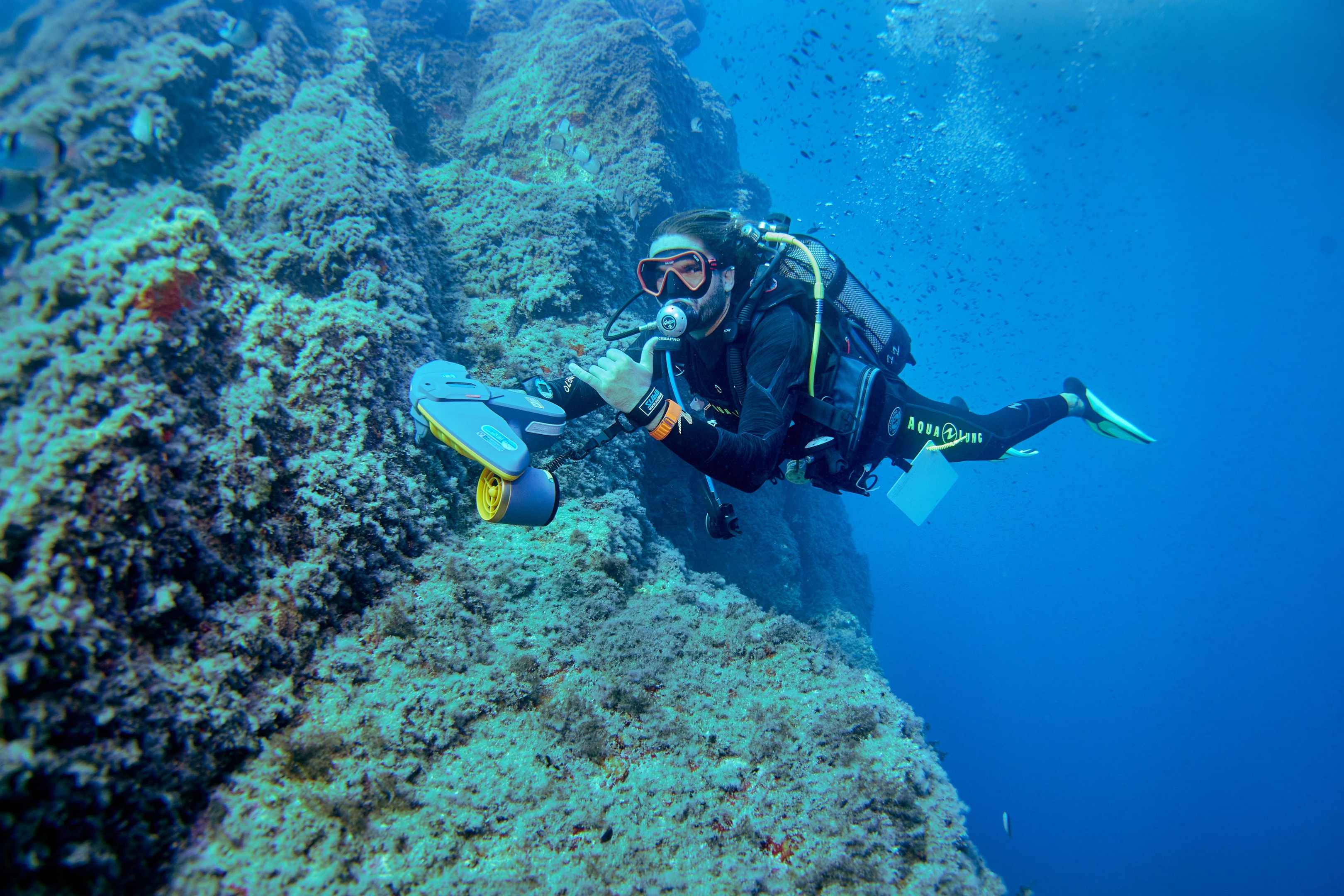
The sea scooter, also known as a diver propulsion vehicle, is a device that lets divers move faster underwater while reducing physical effort and air consumption. With it, you can make the most of your scuba diving experience, reach wrecks that lie further out and enjoy the riches of the ocean to the full.
In this article we look at why to use a sea scooter, how to choose your equipment, the techniques to master for a safe exploration, and the best sites to set off on the adventure.
An introduction to the sea scooter
What is a sea scooter?
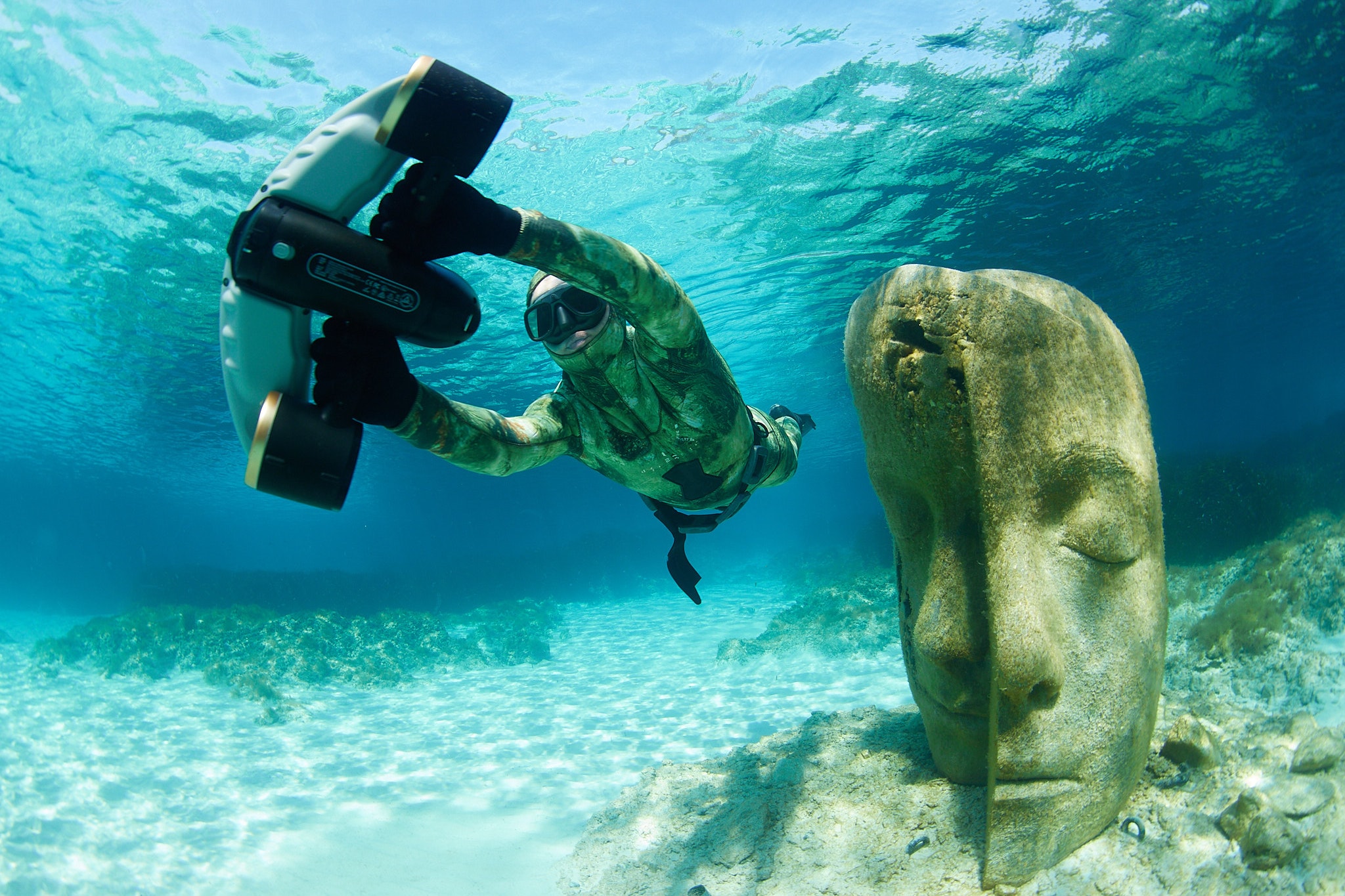
A sea scooter is a self-contained vehicle designed to make it easier for divers to move underwater. Fitted with an electric motor and a propeller, it drives you quickly and effortlessly across the seabed. Sea scooters are especially useful for dives in shallow water, opening up a unique opportunity to explore larger areas without the fatigue that swimming brings. With this device, divers can maximise their exploration time and discover fascinating underwater sites with unmatched ease.
Why use a sea scooter to explore wrecks?
A smoother, less tiring exploration
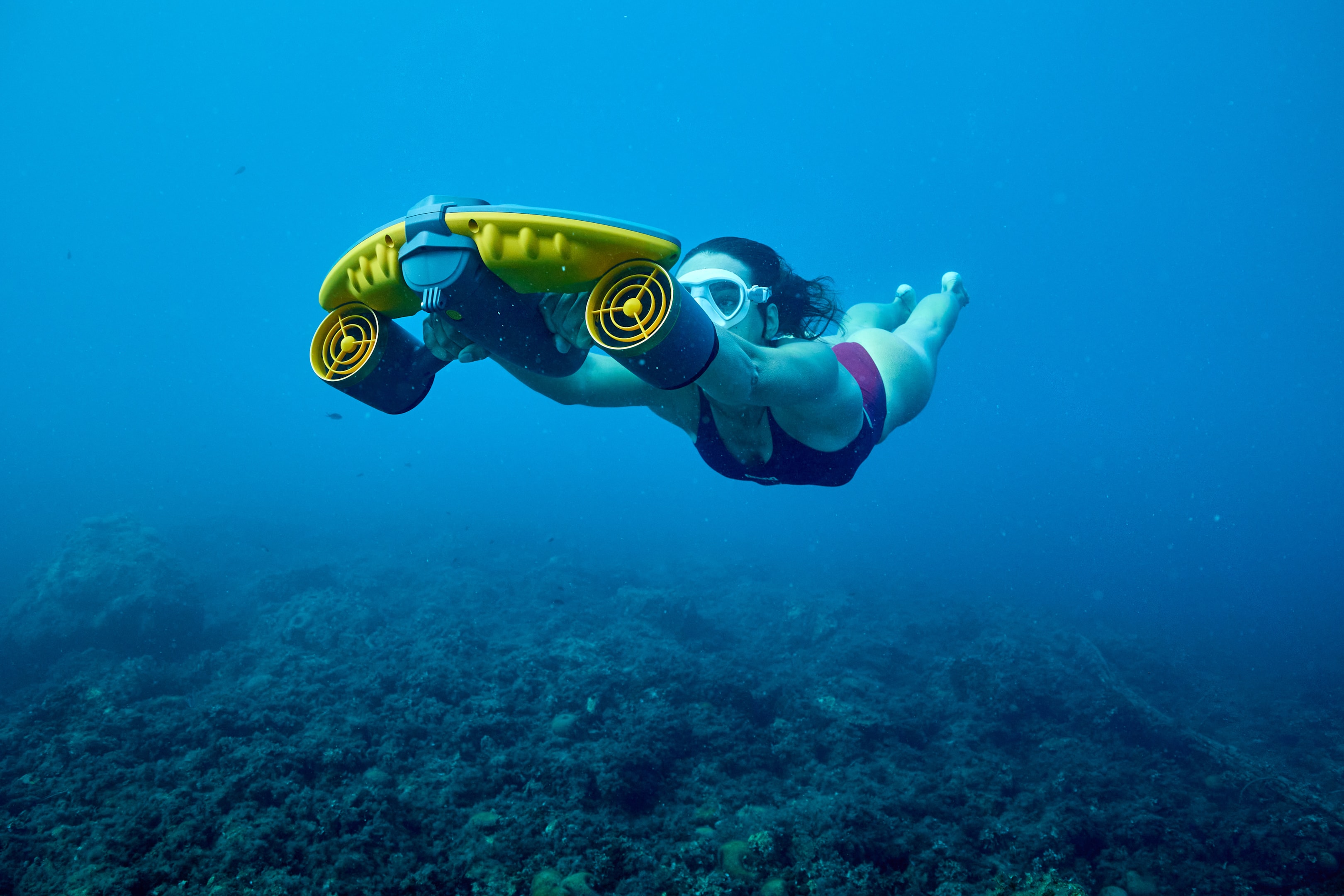
Wrecks often lie a long way from entry points at sea or in deep water. Swimming out to those sites can be demanding, especially in strong currents. Using a propulsion vehicle, divers cut down their effort and save energy — one of the techniques that make a longer dive possible.
Buoyancy also stays more stable with a sea scooter, reducing the loss of control some divers feel on long explorations.
Better management of air and bottom time
Because propulsion is mechanical, the sea scooter limits air consumption, which matters most on deep dives. Divers can stay underwater longer and explore wrecks in more detail without the risk of a too-rapid decompression. Dive computers are just as essential to maximise bottom time and minimise nitrogen absorption.
Finally, for anyone doing technical diving with nitrox, a propulsion vehicle greatly improves the dive profile by allowing smoother movement and a better spread of effort.
The best destinations to explore shipwrecks
Here are a few scuba diving sites not to be missed:
- The Thistlegorm (Egypt): a British cargo ship sunk in 1941, ideal for advanced divers.
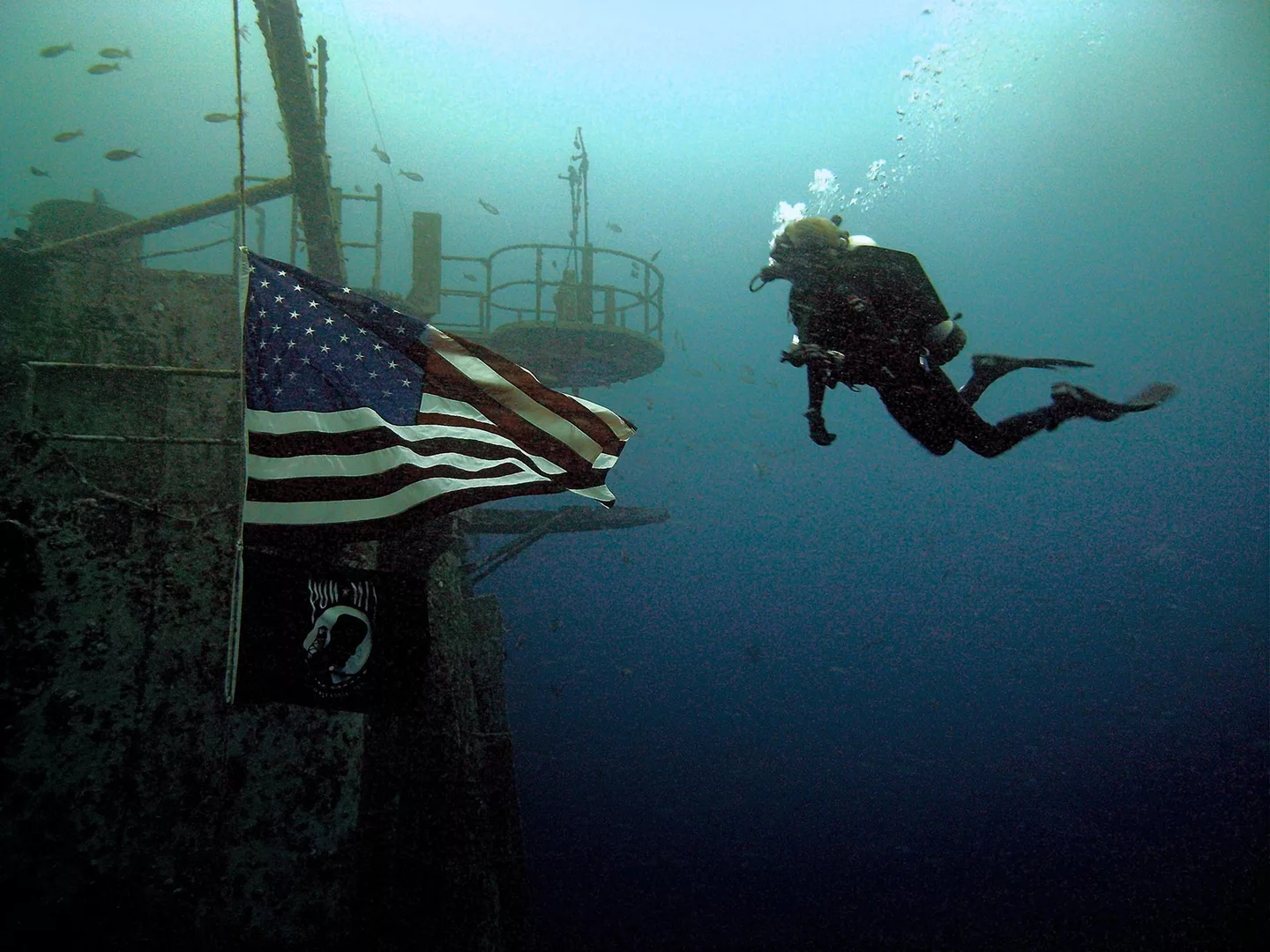
- The USS Oriskany (United States): a huge aircraft carrier scuttled on purpose to form an artificial reef.
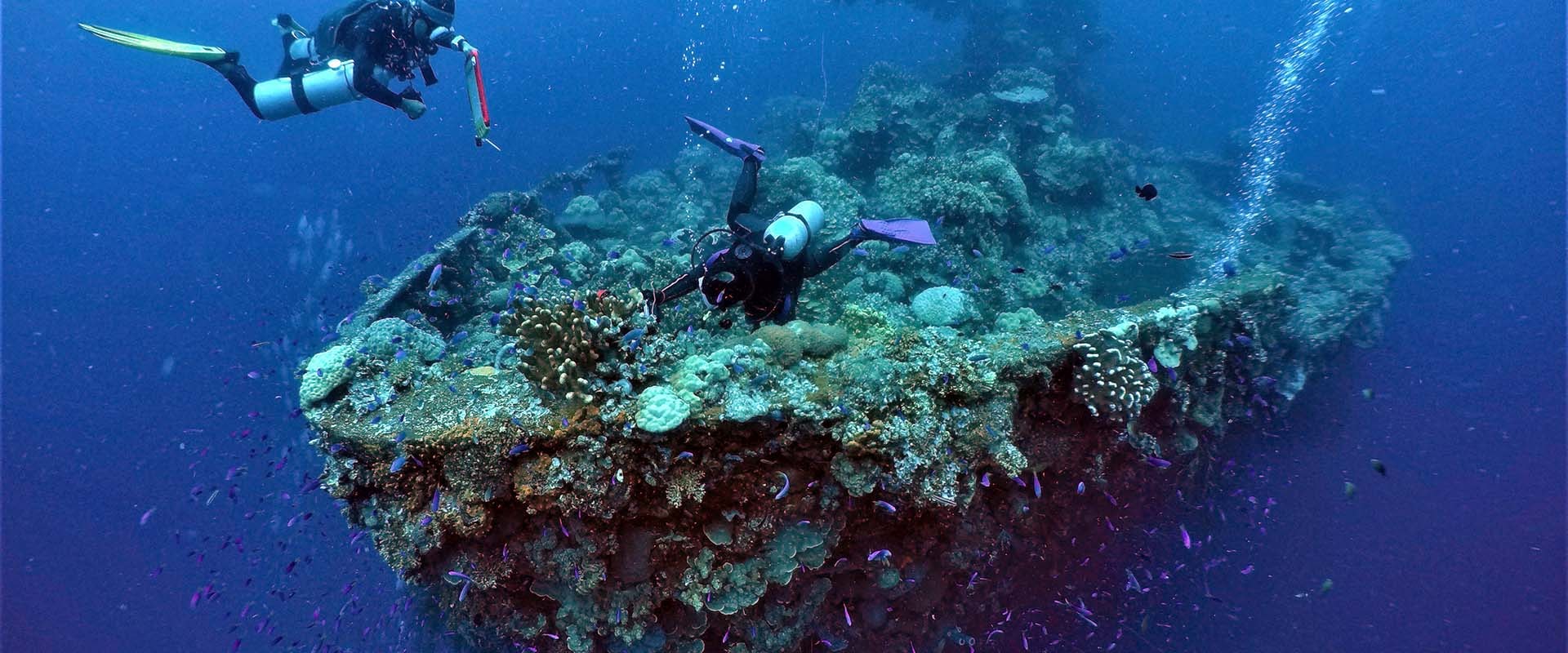
- The Fujikawa Maru (Micronesia): a fascinating wreck with a great deal still visible.
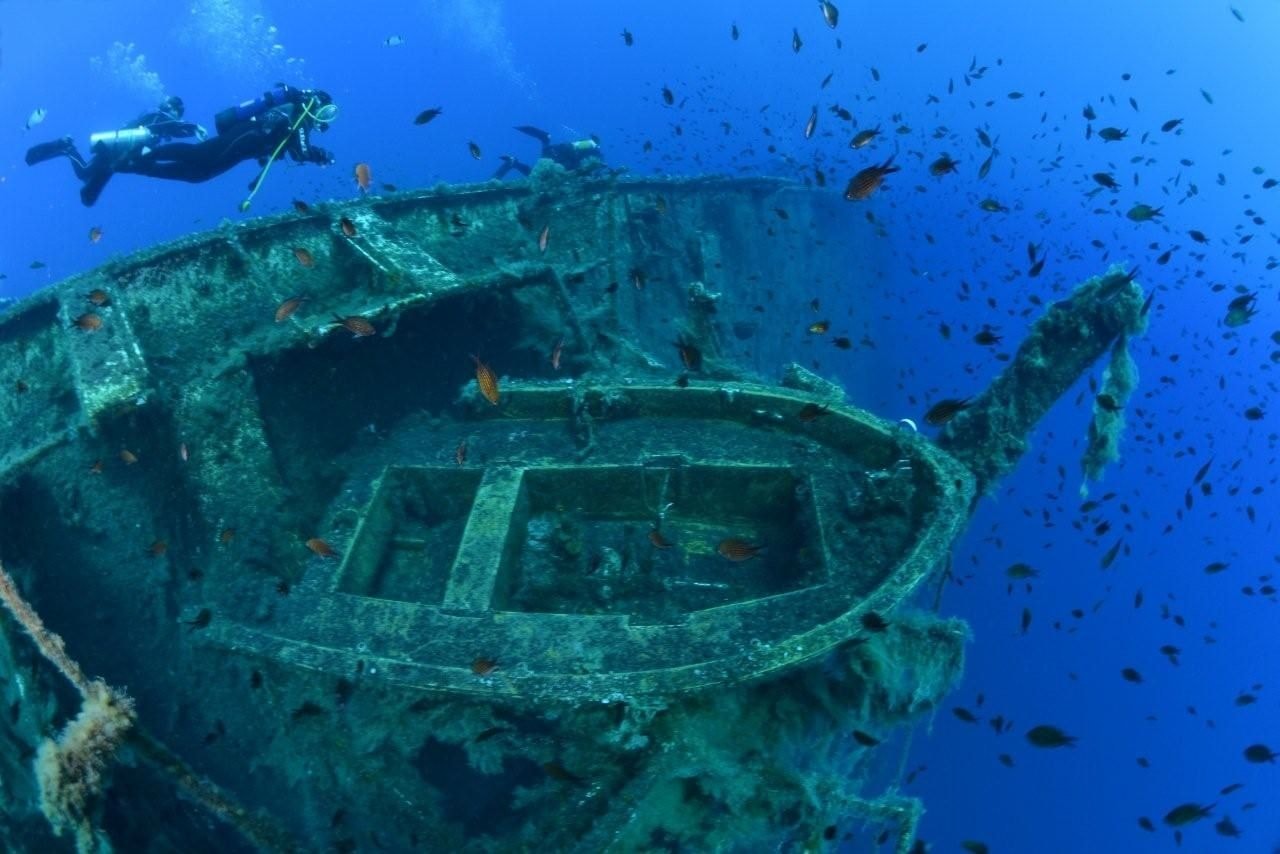
- The Zenobia (Cyprus): a ferry resting on the bottom of the sea, perfect for exploring with a sea scooter.
Tips to get the most out of your exploration
- Manage the scooter battery: avoid running it continuously, to preserve its range.
- Hold a good posture: stay aligned with the current to limit drag underwater.
- Train in technical diving: it sharpens your skills and opens up far more exploration opportunities.
Underwater exploration at its best, thanks to the sea scooter
Exploring shipwrecks with a sea scooter is an unforgettable experience that opens up many possibilities. With this device, divers enjoy a smoother adventure, use their air more efficiently and discover exceptional sites.
It does call for the right equipment, good control of your buoyancy, and strict adherence to safety guidelines. With proper training and the right techniques, any diver can make the most of this absorbing activity while respecting the underwater environment.
Comments (0)